7 hr
Paxos & Antipaxos Blue Caves Boat Trip from Corfu
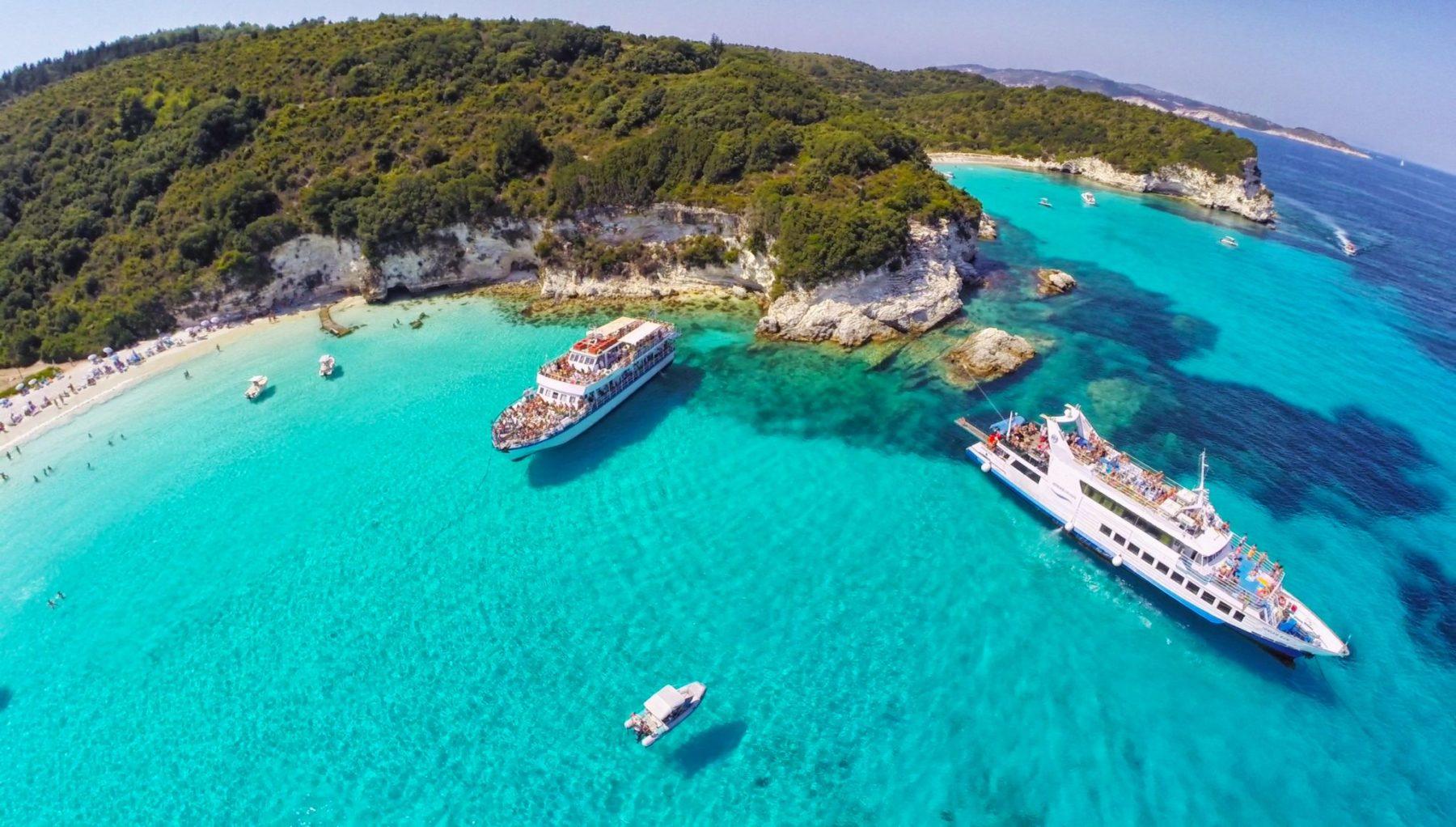
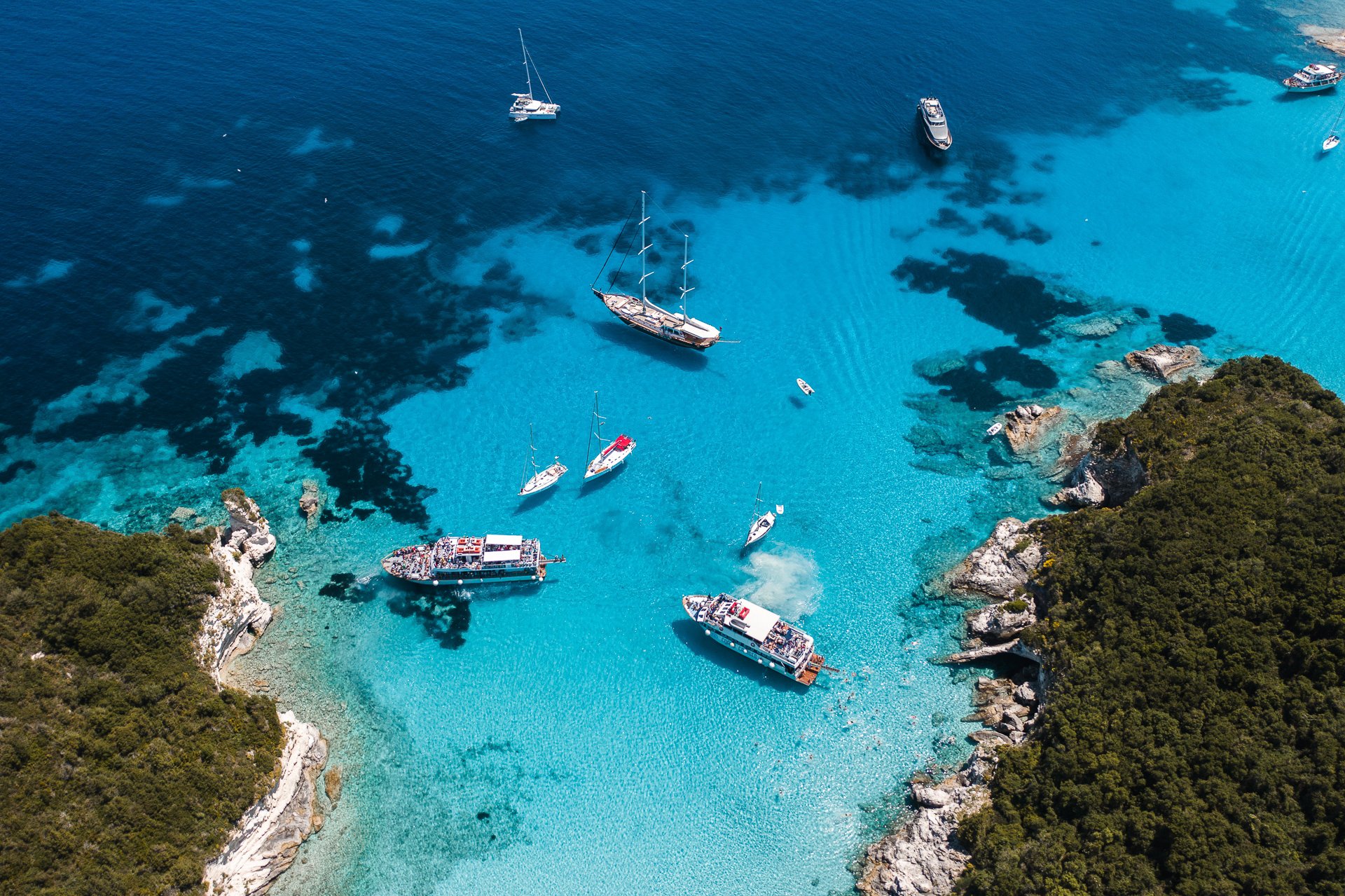
Island-hop to Paxos and Antipaxos with swimming stops, cave exploration, and village time on a full-day cruise
Reserve
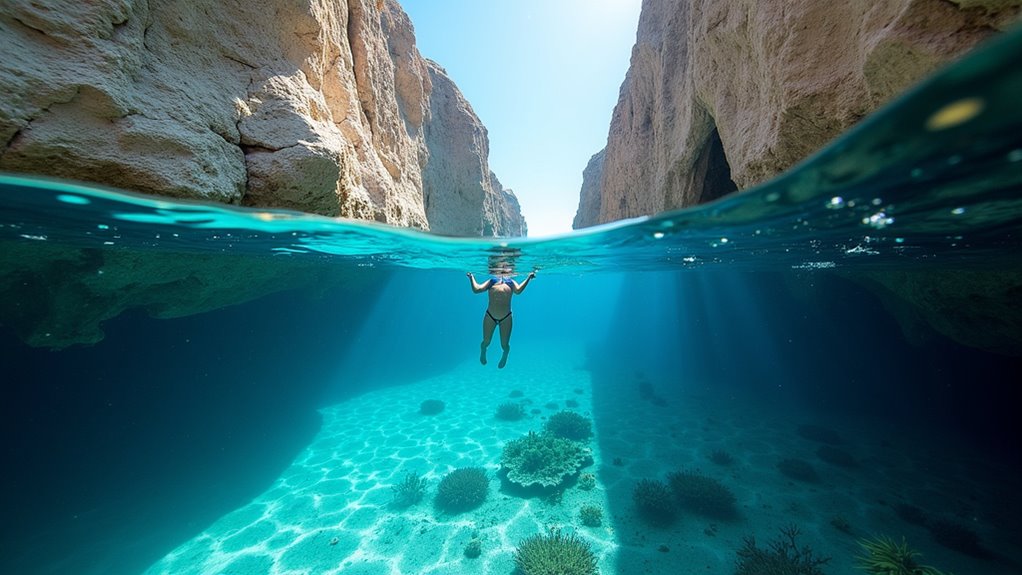
Turquoise shallows meet limestone cliffs, every cove a doorway beneath the surface
Hand-picked by our editors — only the best 12 experiences from 47 reviewed.
Verified partners for Snorkeling in Corfu tours, free cancellation where available, and instant confirmation on every booking.
7 hr
Island-hop to Paxos and Antipaxos with swimming stops, cave exploration, and village time on a full-day cruise
Reserve
7 hr
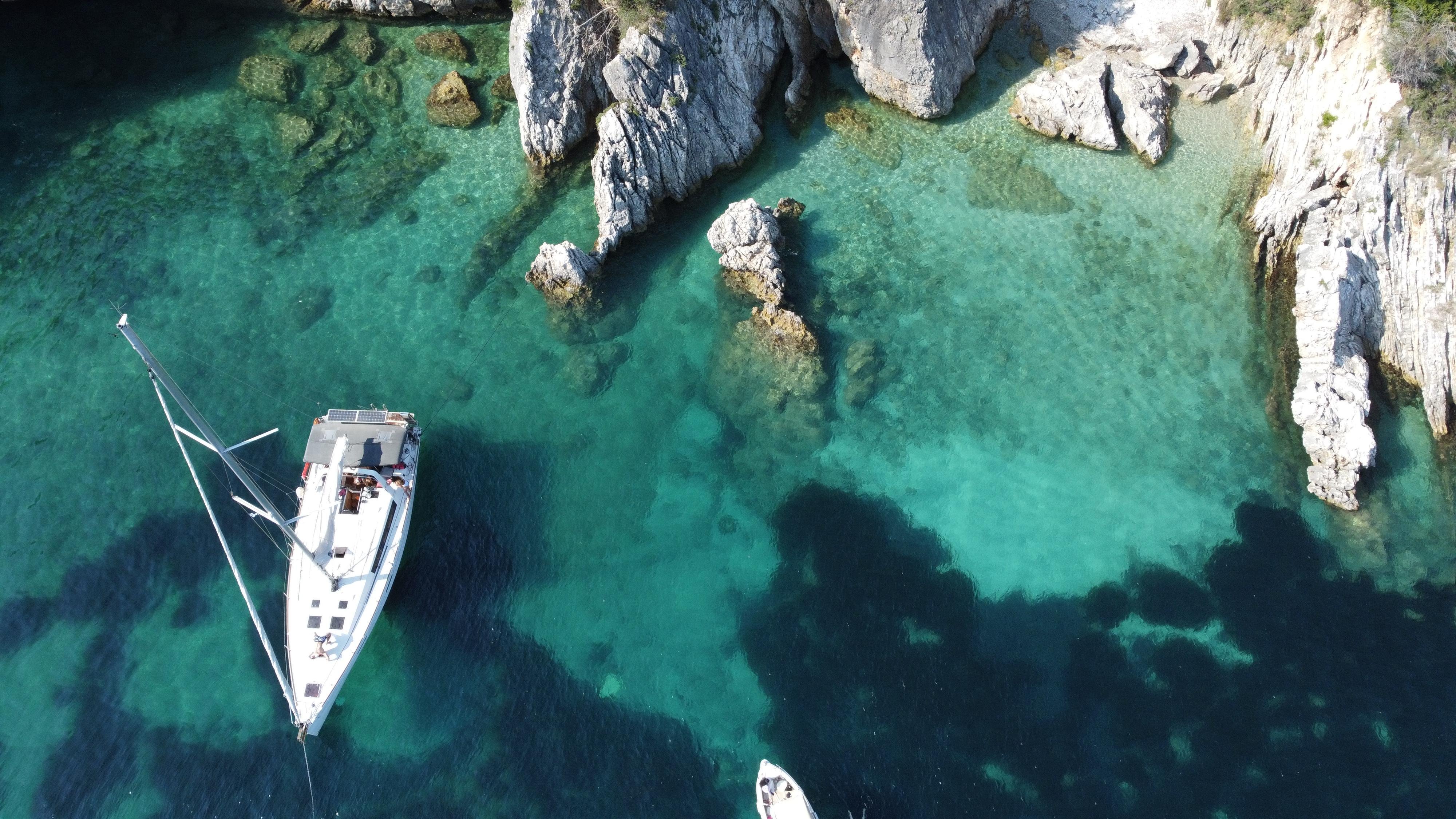
Discover the enchanting Ionian islands with swimming, cave exploration, and free time in charming Gaios village.
Reserve
10 hr
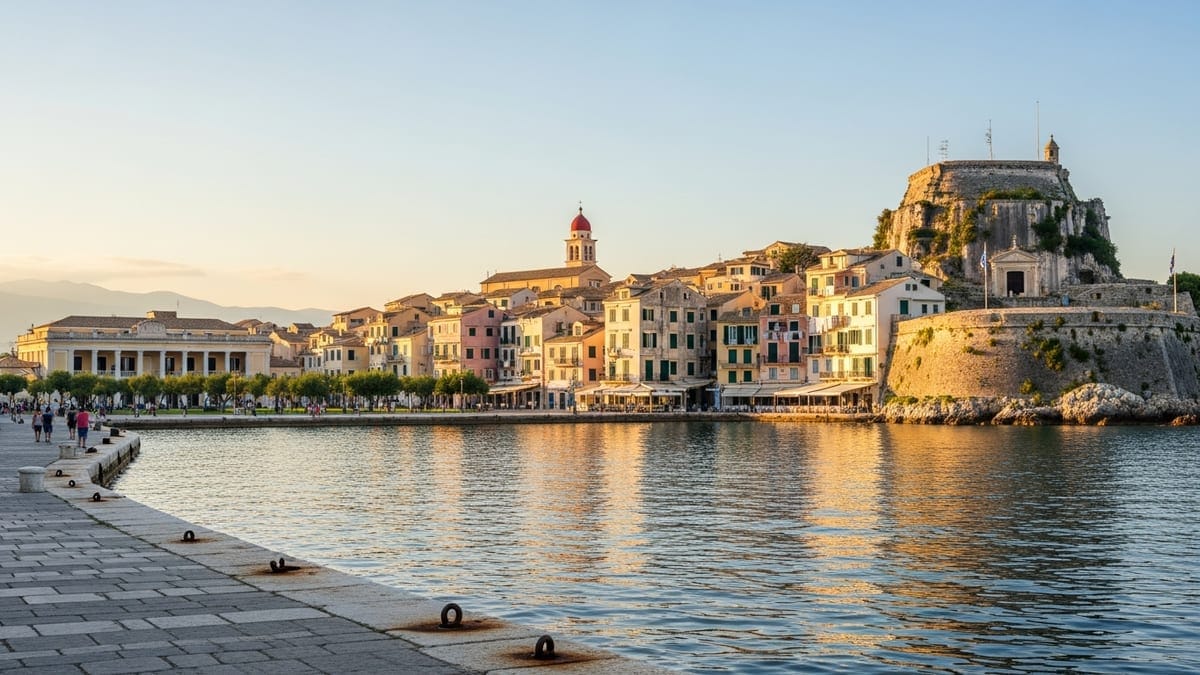
Cruise the Ionian Sea, swim in turquoise coves, explore a blue cave, and savor refreshments aboard
ReservePrices from verified partners. Availability updates in real time at checkout. Free cancellation policies apply where shown.
Snorkeling in Corfu tours depart from multiple cities — pick the one closest to where you're staying.
Tours departing from Corfu include round-trip transfers in an air-conditioned vehicle, bilingual guides, and the option of pickup from a common meeting point or directly from your hotel.
Tours departing from Gouvia include round-trip transfers in an air-conditioned vehicle, bilingual guides, and the option of pickup from a common meeting point or directly from your hotel.
Every Snorkeling in Corfu tour side-by-side — duration, what's included, how you redeem.
| Experience | From | Duration | Rating | Skip-the-line | Guide | Small group | Price | |
|---|---|---|---|---|---|---|---|---|
|
Guided Experience Most popular
Paxos & Antipaxos Blue Caves Boat Trip from Corfu
|
Corfu | 7 hr | ★ 4.6 | ✓ | ✓ | ✓ | €45 | Book → |
|
Guided Experience
Paxos, Antipaxos & Blue Caves Day Cruise from Corfu
|
Corfu | 7 hr | ★ 4.6 | ✓ | ✓ | ✓ | €45 | Book → |
|
Guided Experience
Half-Day Corfu Sailing Adventure from Gouvia
|
Gouvia | 10 hr | ★ 4.8 | ✓ | ✓ | ✓ | €69 | Book → |
All prices from verified partners. Availability and exact terms confirmed at checkout.
They complement each other; most visitors who do both call guided boat trips the more efficient way to reach remote spots, while independent snorkeling in corfu offers total autonomy. Many travelers find that booking snorkeling in corfu tours provides access to deeper, less disturbed underwater reefs compared to shoreline activities.
| Feature | Top pick Independent Snorkeling | Guided Boat Tours |
|---|---|---|
Access to secluded coves |
Limited to walkable beaches | Exclusive boat-only access |
Equipment provision |
Bring your own gear | Professional rental included |
Cost |
0 EUR (Free entry) | 45–85 EUR per person |
Flexibility |
Complete schedule freedom | Fixed tour departures |
Depth of marine life exploration |
Shallow rocky formations | Deep water reef access |
Snorkeling in corfu tour options |
Self-guided exploration | Structured marine outings |
| See tickets → |
Verdict: Choose independent exploration for budget-friendly freedom, or opt for snorkeling in corfu tickets if you prefer a curated experience with specialized equipment and professional guidance.
Choose your ticket, select your date, and reserve in under two minutes. Secure checkout handled by our verified partner.
Instant confirmation by email, with a mobile voucher you can save offline. No printing, no queuing at a collection desk.
Arrive at the entrance, show your voucher on your phone, and walk in. Most tickets include priority or skip-the-line access.
Practical details for Snorkeling in Corfu tickets straight from our verified partners — hours, access, rules, and how to get there.
Paleokastritsa, Corfu
Follow signage to the central beach area.
Open in Google MapsRent a vehicle to access secluded beaches efficiently. Parking is often limited at popular snorkeling in corfu sites.
Green Bus services connect the main town to coastal villages like Paleokastritsa.
Wear standard swimwear and high-quality sun protection. Water shoes are recommended to navigate the rocky seafloor common when snorkeling in corfu.
Public beaches have no formal security checks or bag storage. Keep personal items with a companion while you enjoy snorkeling in corfu.
Underwater photography is permitted throughout the coastal zones. Bring waterproof housing to protect your equipment during your snorkeling in corfu excursion.
Coastal access varies significantly by beach type. Some snorkeling in corfu locations require navigating steep, unpaved terrain.
Mobile signal is generally reliable near the shore. Protect your device with a waterproof pouch if taking it near the water during your snorkeling in corfu tour.
Supervise children constantly in the water, as tides and currents can shift. Shallow coves offer the safest environments for families trying snorkeling in corfu.
Bring sufficient fresh water and snacks as some secluded snorkeling in corfu spots lack nearby shops. Coastal tavernas are usually found near major beach access points.
Dogs are permitted on many public beaches but must remain leashed. Avoid bringing pets during peak hours to ensure the safety of other swimmers.
Marine life protection is enforced throughout the island. Do not touch or remove any sea creatures encountered during your snorkeling in corfu experience.
Paleokastritsa, Corfu
Follow signage to the central beach area.
Get directionsBest time to go, insider tips, nearby landmarks, and the cancellation fine print — flip through to skim what matters to you.
How crowds, weather, and events shift across the year.
Mild water temperatures begin warming in May. Crowds remain light compared to the peak summer months.
Small details that turn a good visit into a great one.
Start your snorkeling in corfu tour before 11:00 to avoid afternoon waves.
Non-bookable sights within a short walk — free to visit, easy to pair.
A Byzantine fortress overlooking the Ionian Sea. It provides historical context to the coastal landscape.
A 13th-century monastery featuring lush gardens and sea views. It sits near primary snorkeling in corfu spots.
Flexible, no hidden fees.
Since snorkeling in corfu is a public activity on open beaches, no cancellation fees apply. Access is free of charge at 0 EUR.
Hand-picked options within walking distance — pick a district for vibe, or a specific hotel for convenience.
Views of the Ionian Sea and easy access to local beaches.
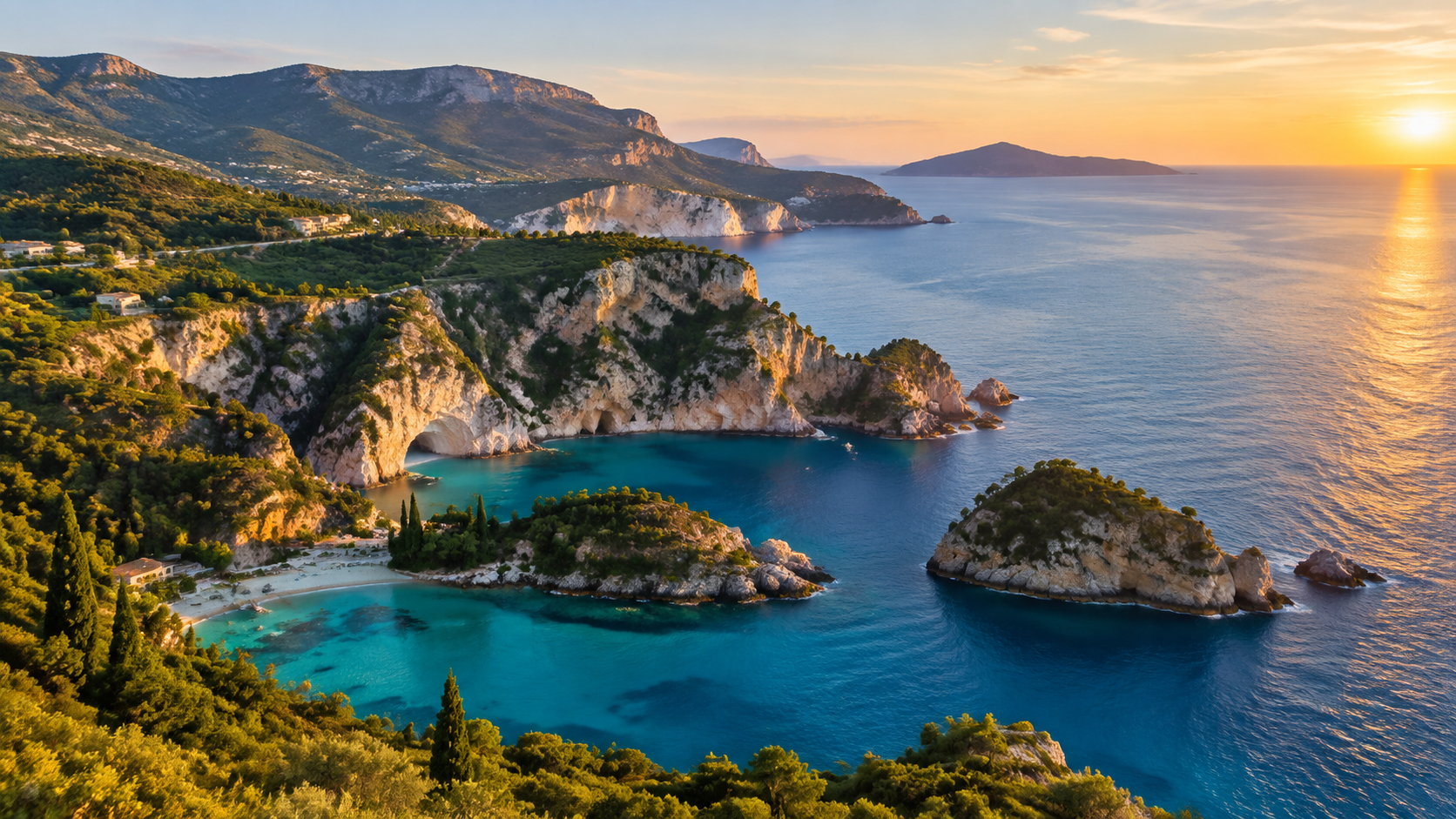
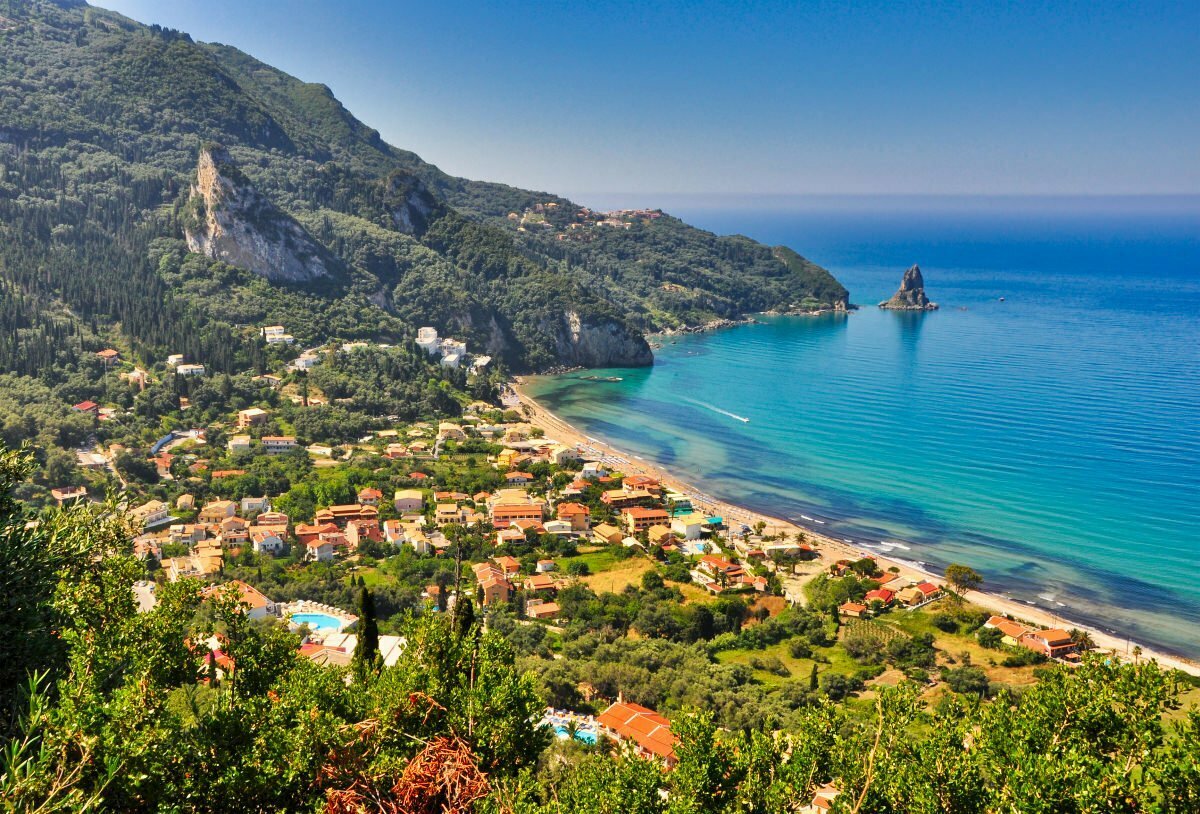
Corfu's coastline holds more than sixty named bays, many of them carved into the island's western flank by millennia of wave action against soft limestone.
The resulting topography — vertical cliffs punctuated by narrow inlets — creates a mosaic of shallow-water habitats where sunlight penetrates to depths of fifteen metres and beyond. Water temperatures in the Ionian Sea range from eighteen degrees Celsius in early spring to twenty-six in August, sustaining a year-round population of damselfish, wrasse, octopus, and the occasional loggerhead turtle. Unlike the sand-and-shingle beaches of the east coast, the western bays are characterised by rocky substrate and dense stands of Posidonia oceanica seagrass, a foundation species that stabilises sediment and supports a web of invertebrates, juvenile fish, and foraging seabirds.
Snorkeling in Corfu became accessible to casual visitors only in the nineteen-seventies, when purpose-built dive centres opened in Paleokastritsa and Agios Gordios. Before that decade, most underwater exploration was conducted by small-scale sponge divers and military salvage teams. The island's position at the mouth of the Adriatic made it a waypoint for Venetian galleys, Ottoman supply ships, and Allied convoys; wrecks from each era lie in forty to sixty metres of water, beyond recreational snorkeling range but close enough to shape the cultural memory of the coast. Today, the best snorkeling in Corfu is concentrated in three zones: the trio of coves at Paleokastritsa, where vertical rock faces drop into gin-clear water; the sheltered bay at Agios Georgios Pagon in the northwest, favoured for its sandy entry and gentle depth gradient; and the sea caves near Sidari, where swimmers can drift through natural tunnels carved by tidal erosion. Each site offers distinct conditions — Paleokastritsa for dramatic topography and deeper dives, Agios Georgios for beginners and families, Sidari for those drawn to geological curiosities.
Marine biodiversity in the Ionian is modest by tropical standards but richer than many visitors expect. Rainbow wrasse patrol the shallows in schools of twenty or more, their iridescent flanks catching the light. Painted comber and two-banded bream occupy the mid-water column, darting between rock crevices when approached. Octopuses, active at dawn and dusk, can be spotted in shallow caves if observers move slowly and avoid silhouetting themselves against the sky. The seagrass meadows support pipefish, blennies, and occasional cuttlefish, all of which rely on camouflage rather than speed. Snorkeling trips in Corfu typically depart mid-morning, when onshore breezes are still light and surface chop is minimal. Afternoon winds, particularly the maistros from the northwest, can reduce visibility and make return swimming more strenuous.

"Corfu's western bays are characterised by rocky substrate and dense stands of Posidonia oceanica seagrass, a foundation species that stabilises sediment and supports a web of invertebrates."
A step-by-step walkthrough of Snorkeling in Corfu tickets — what you'll see, how long each stage takes, and the details that matter.
You board the small wooden tender at Paleokastritsa's main jetty, the hull rocking gently as the crew loads masks, fins, and towels into a watertight locker. The engine starts with a low rumble and the boat swings north, hugging the coastline past monastery cliffs and isolated pebble beaches where no road reaches.
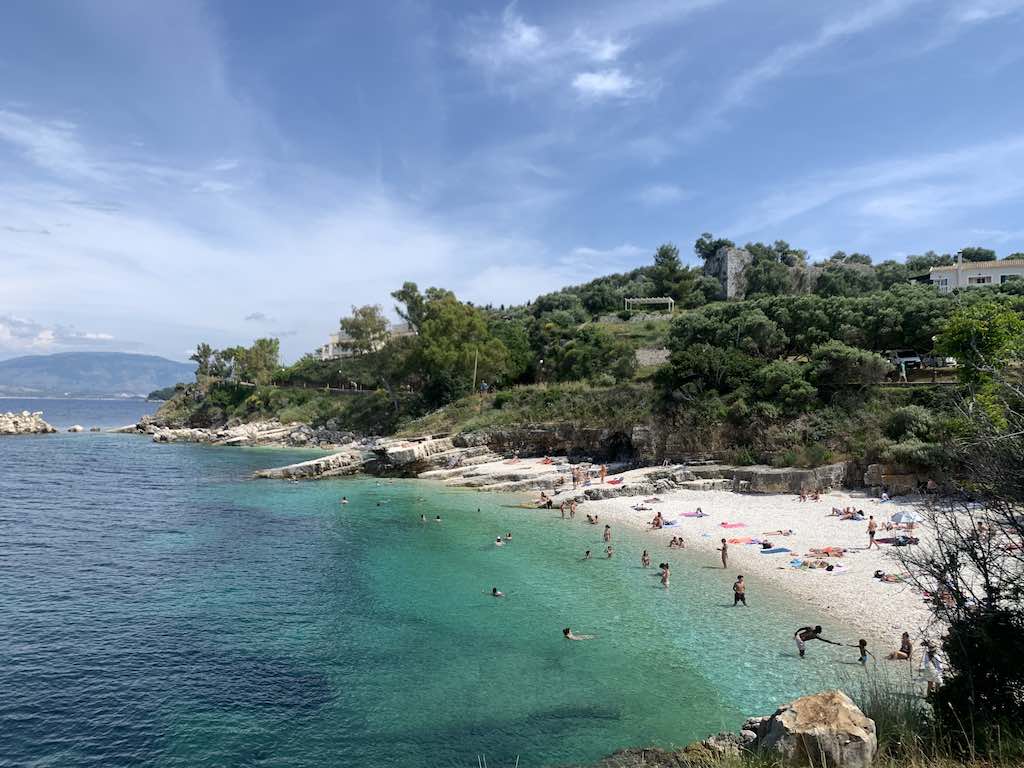
After fifteen minutes the skipper cuts the throttle and you drift into a horseshoe cove, the water so transparent you can count the stones on the seabed six metres below.
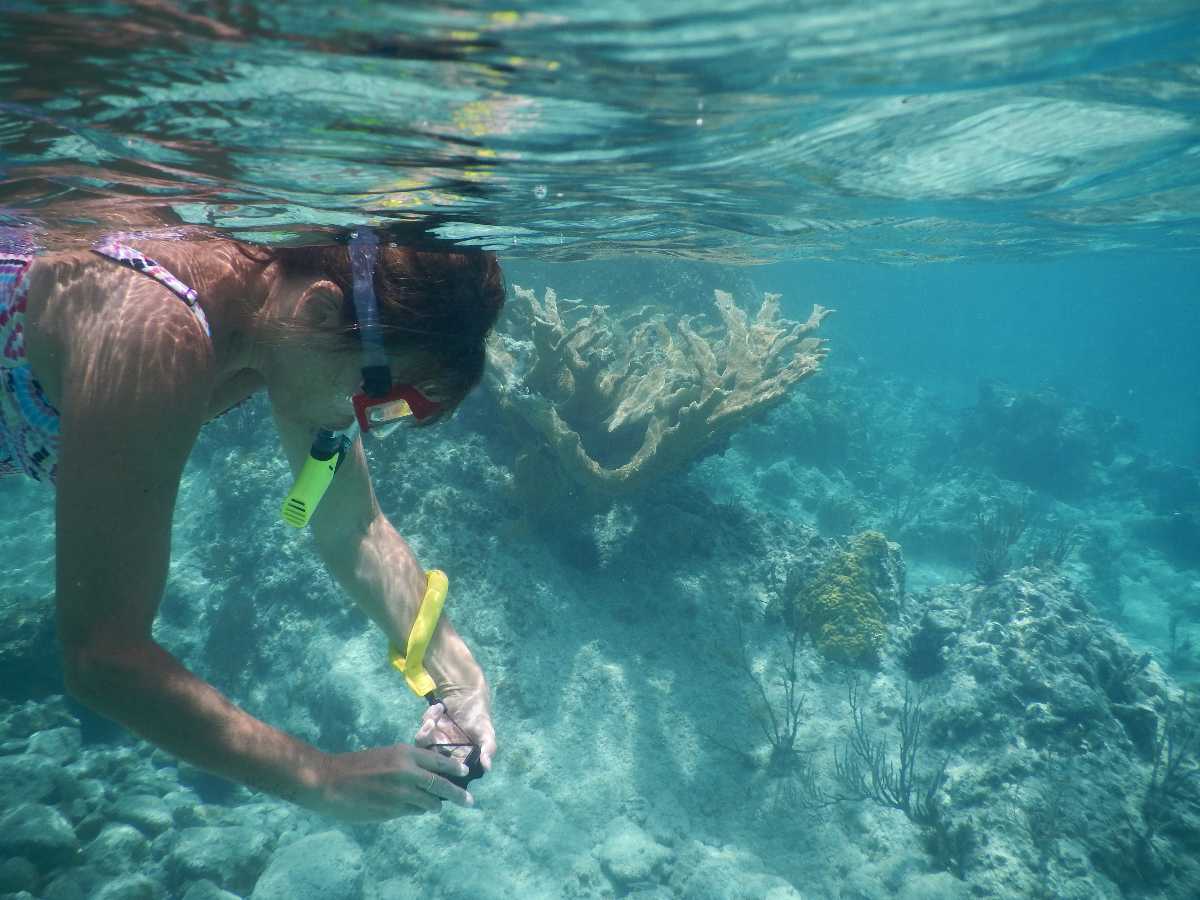
You rinse your mask, adjust the strap, and slip backward off the gunwale. The cold is immediate but not unpleasant — a tightening across the chest that fades after the first few strokes. You kick toward the cliff face, where the rock descends in terraced ledges colonised by sponges and bryozoans. A school of damselfish scatters as you approach, then regroups behind you. You follow the contour of the wall, pausing every few metres to equalise and scan the crevices. An octopus withdraws deeper into its den, leaving only the tip of one arm visible. Further along, the seagrass begins — long ribbons swaying in the current, each blade tipped with a delicate fringe of algae. You surface, clear your snorkel, and float on your back, the sky a pale dome above the encircling cliffs.
No, snorkeling in corfu is free of charge as all beaches are public. Entrance fee is 0 EUR.
The best arrival window is 08:00–11:00 when waters are calmest.
Yes, many local operators offer guided snorkeling in corfu tours for various skill levels.
Yes, shallow coves provide a safe introduction to marine life for beginners.
You should bring a mask, snorkel, fins, and reef-safe sunscreen for your snorkeling in corfu day.
No tickets are required as these are public coastal waters.
Always inform someone of your location if you choose to go snorkeling in corfu solo.
The best time is from May to September when sea temperatures are warmest.
Operators provide gear for professional snorkeling in corfu tours, or you can rent equipment locally.