Snorkeling In Corfu
Snorkeling Guide

Corfu Best Beaches for Snorkeling

Corfu's limestone coastline produces sheltered bays with visibility that regularly exceeds twenty meters between May and October. This guide maps the island's most rewarding snorkeling beaches, the species you'll encounter, and the arrival windows that guarantee calm, transparent water before wind and boat traffic stir the shallows.

9 min read Updated 2026-09-30 Fact-checked
Corfu Best Beaches for Snorkeling

Quick answer

Paleokastritsa offers the island's most accessible snorkeling with rocky outcrops that drop to fifteen meters, sheltering octopus, damselfish, and sea bream. Kalami Bay on the northeast coast provides gentler entry and seagrass meadows frequented by juvenile fish, while Rovinia Beach on the west requires a boat or hiking trail but rewards with thirty-meter visibility and minimal human presence. Arrive between 08:00 and 11:00 for the calmest surface conditions and clearest light penetration.

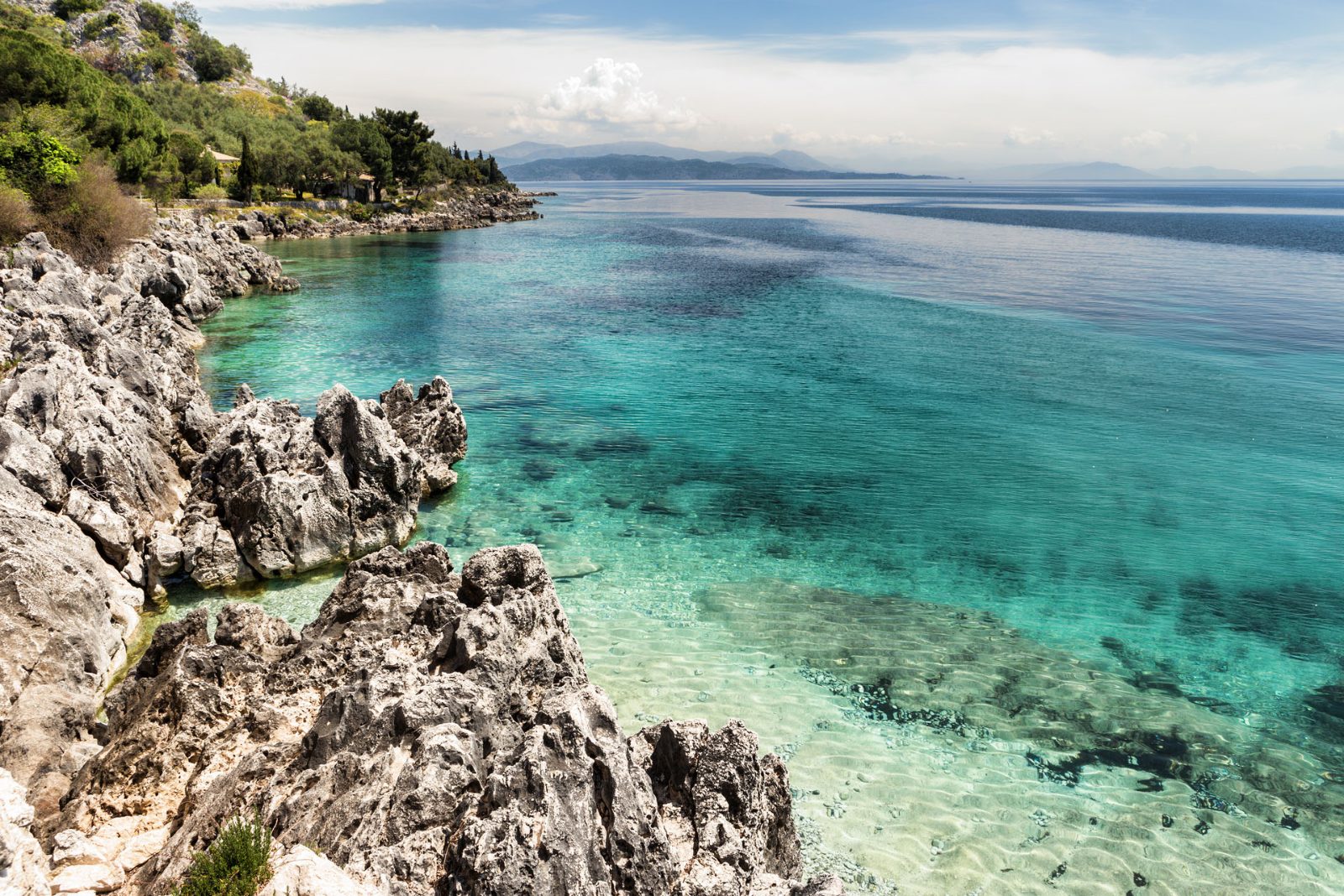
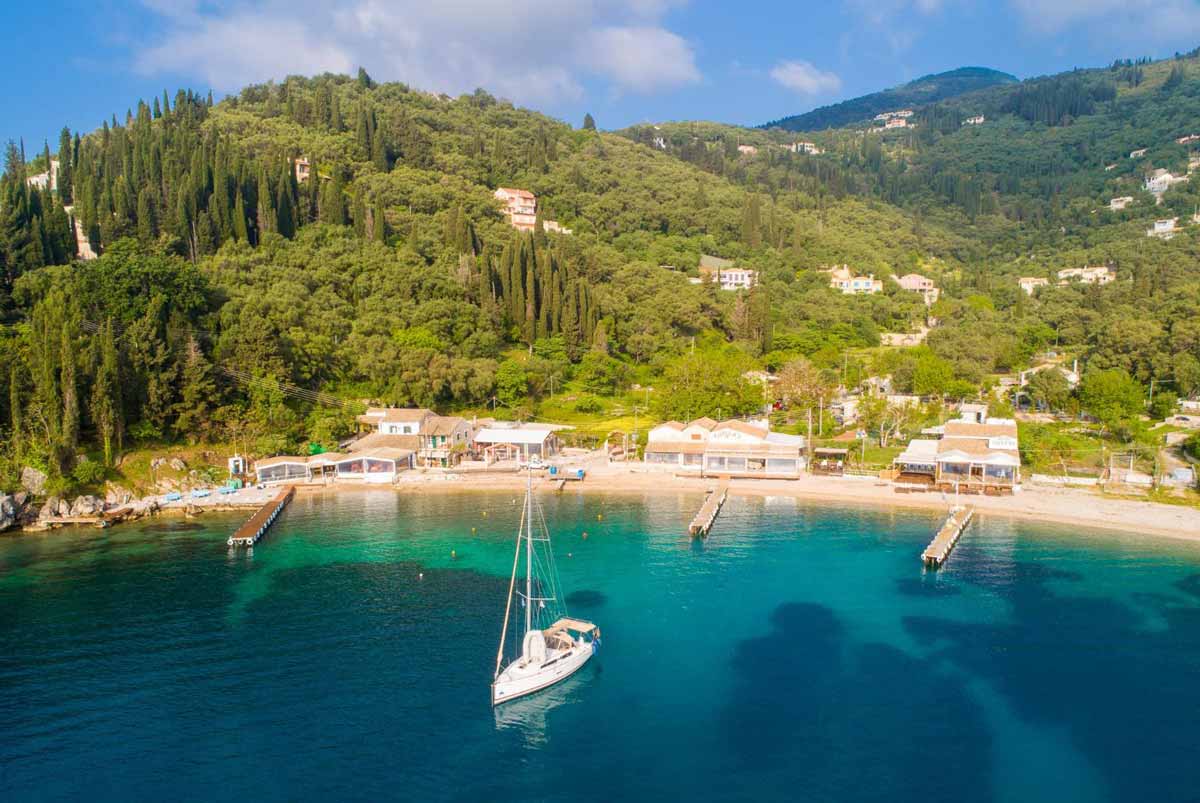
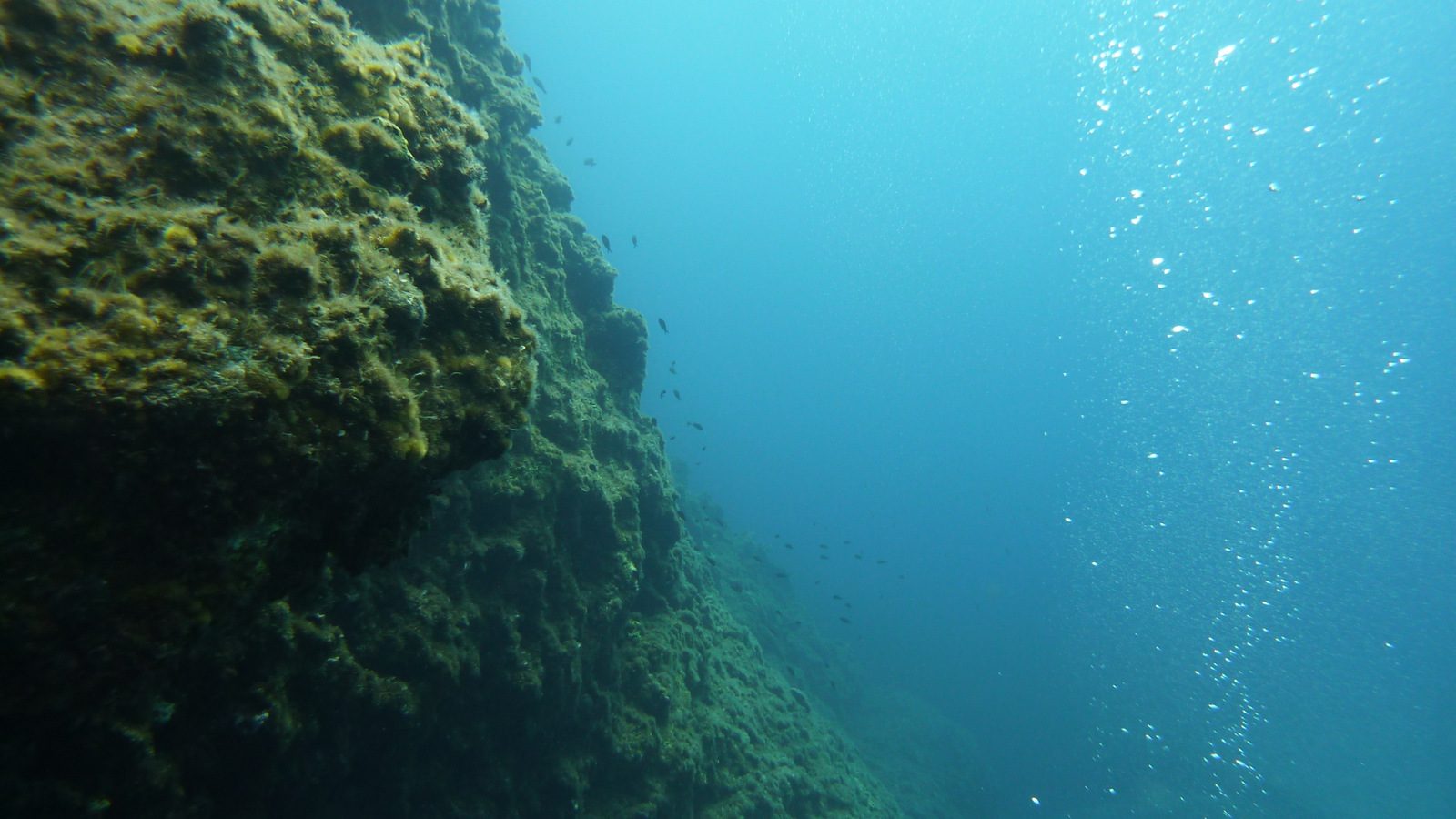
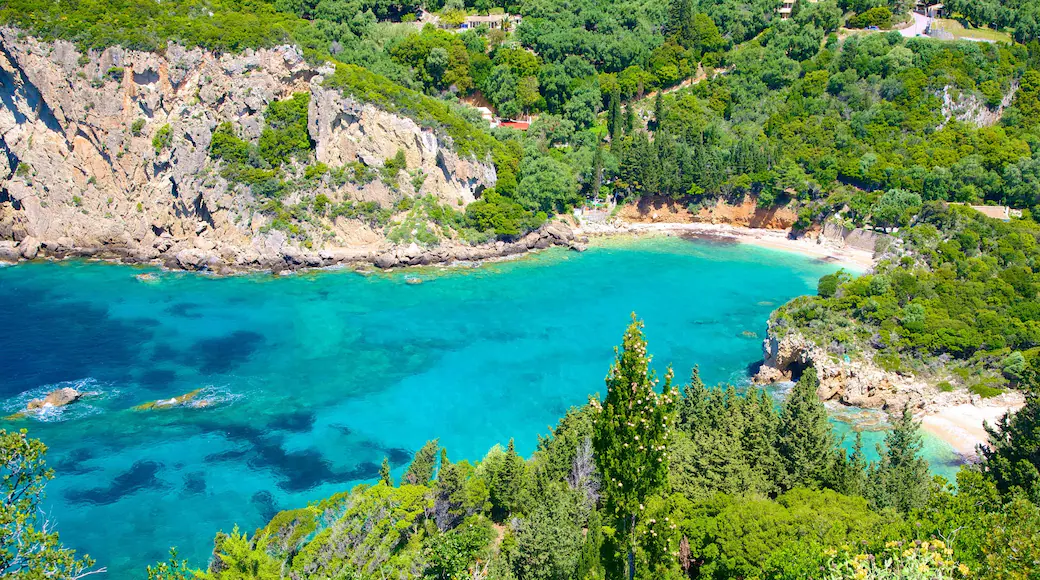
The Ionian Sea surrounding Corfu holds a stable salinity of thirty-eight parts per thousand, producing water clarity that rivals the Aegean without its summer meltemi winds. Paleokastritsa, twenty-five kilometers northwest of Corfu Town, anchors the island's snorkeling reputation with six interconnected coves where limestone cliffs plunge directly into depths that reach fifteen meters within ten strokes of the shore. The rock faces host sponges, nudibranchs, and schools of damselfish that ignore swimmers, while the sandy patches between boulders conceal buried flatfish and the occasional cuttlefish. The main bay sees tour-boat traffic after midday, but the northern coves remain quiet if you walk beyond the taverna beach. Kalami Bay, thirty kilometers north on the island's Venetian-era "officers' coast," offers a different profile: shallow entry over pebble and sand, then a gradual slope to eight meters where Posidonia seagrass beds create nursery zones for juvenile sea bream, wrasse, and grey mullet. Visibility here depends on wind direction; northwest swells cloud the water, but calm mornings after a southeast breeze leave the bay glass-clear. The village is small, parking limited, and the beach naturally self-regulates crowd size. Rovinia, accessible only by a forty-minute trail from Liapades village or a fifteen-minute boat hire from Paleokastritsa, remains Corfu's least-disturbed snorkeling site. The beach sits beneath vertical cliffs that block afternoon winds, and the absence of nearby agriculture means zero runoff. Underwater, the terrain consists of white-rock plateaus at three to five meters, then steep drop-offs where grouper and moray eels occupy crevices. Visibility routinely hits thirty meters on stable summer mornings. No facilities exist on-site; carry water, sun protection, and a dry bag for valuables. All three beaches share free public access, though Paleokastritsa and Kalami charge for sunbeds if you choose to rent them. Snorkeling conditions peak from June through September when sea temperatures reach twenty-four to twenty-six degrees Celsius and thermoclines rarely develop above ten meters. Early arrival matters less for claiming space than for catching the water before surface chop develops; by noon, even protected bays lose their mirror finish, cutting effective visibility by thirty to forty percent. The corfu best beaches for snorkeling deliver reliably when you time the window and choose your entry point according to the wind forecast rather than convenience alone.

“Visibility routinely hits thirty meters on stable summer mornings at Rovinia, where vertical cliffs block afternoon winds and zero agricultural runoff reaches the bay.”
Timing

Corfu Best Beaches for Snorkeling: Optimal Seasonal and Daily Timing

The best time to experience snorkeling in Corfu is during the shoulder months of June and September, when water temperatures are comfortable and visibility is at its peak. For daily excursions, arriving within the 08:00–11:00 window is essential to avoid crowds and benefit from calmer sea conditions.

June and September

Low to moderate

Warm water, 22°C to 24°C

These months offer a balance of high water visibility and fewer visitors compared to July and August. Daily winds are generally lighter, reducing surface chop.

July and August

High

Warm water, 25°C to 27°C

While temperatures are high, peak tourism levels can lead to crowded snorkeling sites. Early morning sessions are required to maintain clear water visibility.

Weekday mornings

Minimal

—

Visiting on weekdays during the 08:00–11:00 window provides the best opportunity to explore popular spots with minimal disturbance. This period ensures the clearest water before daytime boat traffic increases.

Verdict: For the best conditions, plan your visit during June or September and arrive at your chosen beach between 08:00–11:00.

What to see

Top Corfu Best Beaches for Snorkeling and Underwater Exploration

Corfu features diverse coastal formations, ranging from sheltered rocky coves to limestone-rich bays, which provide suitable conditions for observing marine life. These locations are characterized by clear water and varied underwater topography.

Paleokastritsa

Paleokastritsa

This area consists of several connected bays with rocky seabed compositions and deep water channels. The limestone rock formations create varied habitats for small schools of fish.

Explore the outer perimeter of the caves for better visibility.
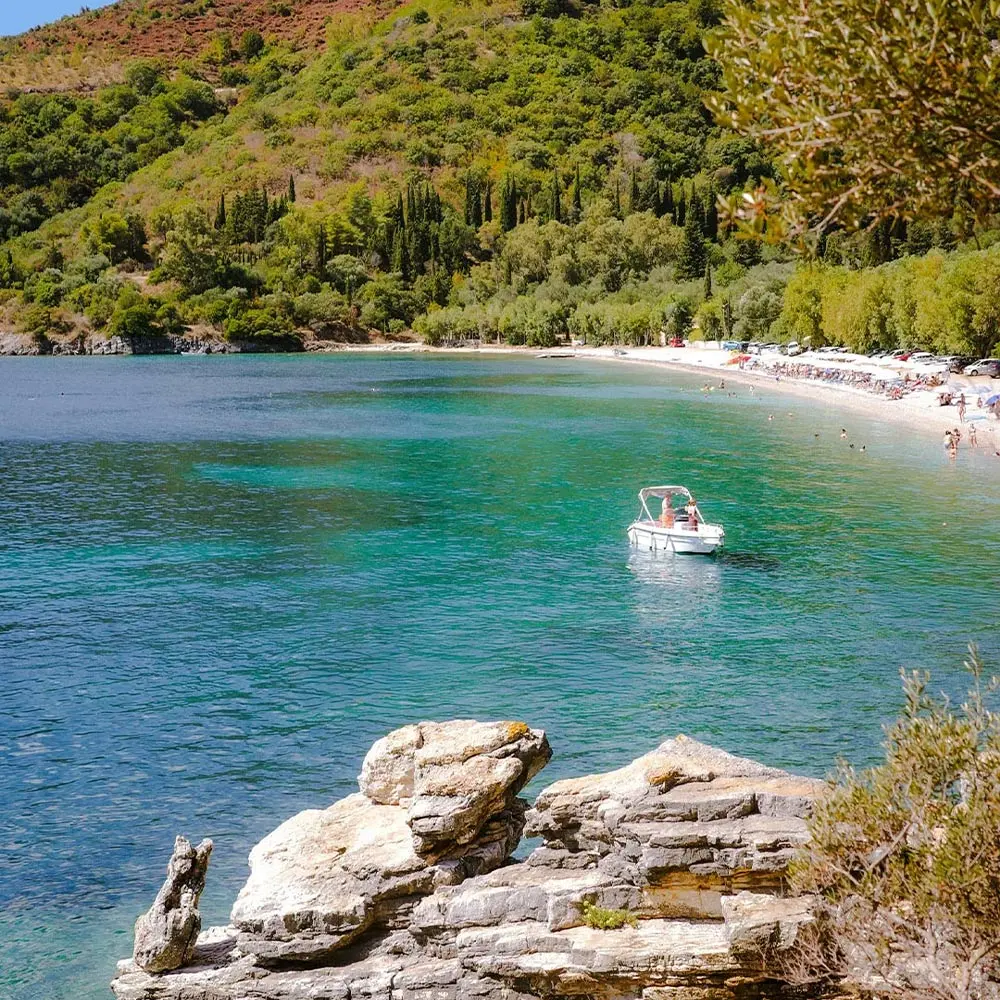
Kouloura

Kouloura

A quiet, horseshoe-shaped bay known for its calm water and pebble beach. The harbor walls and surrounding rocks provide shelter for marine organisms.

Focus on the area near the old stone harbor walls.

Nissaki

Nissaki

This beach is defined by white limestone cliffs and deep, translucent water. The rugged underwater landscape offers crevices where diverse Mediterranean fish species reside.

Swim toward the rock formations on the left side.

Agni Bay

Agni Bay

A narrow cove with a seafloor consisting of large pebbles and smooth rocks. The depth increases quickly, allowing for immediate access to deeper water zones.

Observe the sea grass beds located along the eastern edge.

Directions

Reaching the Corfu Best Beaches for Snorkeling

Corfu's prime snorkeling locations are dispersed around the island, making a private vehicle the most efficient way to reach secluded coves. While the public bus network connects major towns, coastal access often requires a car or organized boat transport.

Car 45–75 min —

Rental vehicle via EO25 or EO26

Bus 60–90 min —

KTEL Corfu local service to Paleokastritsa or Kassiopi

Boat 30–60 min —

Private rental or excursion boat from Corfu Old Town

Plan your travel to ensure you reach your chosen beach within the best arrival window of 08:00–11:00 to secure parking at popular coastal trailheads.

Prices

Entrance Fees for Corfu Best Beaches for Snorkeling

Access to public beaches in Corfu is provided free of charge to the public. There are no entrance fees or ticket requirements to reach the shoreline for snorkeling activities.

Public Beach Access No entry fee for any visitor
0 EUR
Snorkeling equipment use Bring your own gear for free access
0 EUR
All public beaches in Corfu remain accessible to all visitors at no cost throughout the year.

Verdict: A typical adult pays 0 EUR for beach access, with costs only occurring if choosing to rent equipment from private vendors.

Opening hours

Operating Hours for Corfu Best Beaches for Snorkeling

The best beaches for snorkeling in Corfu are public locations accessible to visitors throughout the week. These sites remain open at all times to accommodate your snorkeling schedule.

Monday
00:00–23:59
Tuesday
00:00–23:59
Wednesday
00:00–23:59
Thursday
00:00–23:59
Friday
00:00–23:59
Saturday
00:00–23:59
Sunday
00:00–23:59
As these are public beach locations, there is no formal last-entry requirement.
Checklist

Essential Preparation for the Corfu Best Beaches for Snorkeling

Proper equipment and preparation ensure safe, comfortable snorkeling sessions across Corfu's diverse coastal spots.

Book

Check availability

Frequently asked

Frequently asked questions about corfu best beaches for snorkeling

Everything you need to know about corfu best beaches for snorkeling

Which locations are considered the corfu best beaches for snorkeling?

Many visitors consider Paleokastritsa and Kassiopi as some of the corfu best beaches for snorkeling due to their rocky coves and clear visibility. These areas feature diverse marine life and rocky seabed formations that attract various fish species. Exploring the corfu best beaches for snorkeling often involves visiting hidden bays accessible by boat or coastal paths. Always prioritize safety by checking local sea conditions before entering the water.

Do I need to pay an entrance fee to visit these snorkeling spots?

Public access to all beaches in Greece is provided at no cost, so there is an entrance fee of 0 EUR for these locations. This allows everyone to explore the coastline freely. While the beach access is free, you may find equipment rental shops nearby for your snorkeling gear.

What is the recommended arrival time to find the best snorkeling conditions?

We recommend an arrival window of 08:00–11:00 to avoid crowds and enjoy clearer water conditions. Arriving early helps you secure a spot and take advantage of the calmer morning sea. This time frame is ideal for observing marine creatures before the coastal activities increase throughout the day.

Are these snorkeling locations suitable for children?

Many of the corfu best beaches for snorkeling offer shallow, calm areas that are safe for children under adult supervision. Always verify the current sea state and ensure children are equipped with proper buoyancy aids. Shallow coves provide a perfect environment for younger swimmers to observe small fish and aquatic plants.

Is there a specific season when the water is clearest for snorkeling?

While snorkeling is possible throughout the season, late summer and early autumn often provide excellent water temperatures and visibility. Since today is 2026-09-30, you are in a prime period for visiting popular coastal landmarks. Calm, windless days generally offer the highest clarity for observing the seafloor.

How do I get to the top spots for underwater exploration in Corfu?

You can reach various locations across Corfu using local bus networks, rental cars, or by boat for remote coves. Detailed transit information for specific coastal areas can be found in our dedicated transport section. Planning your route in advance ensures more time for your underwater exploration in the Ionian Sea.

Keep reading

More guides & pages