Snorkeling In Corfu
Diving Guide

Snorkeling Corfu Paleokastritsa

Paleokastritsa's six interconnected coves offer free, shore-accessible snorkeling over limestone reefs and submerged caves. The water here is fed by underground springs, creating visibility conditions rare on the Ionian coast. This guide covers what you'll see, when to go, and how to approach each cove safely.

8 min read Updated 2026-09-30 Fact-checked
Snorkeling Corfu Paleokastritsa

Quick answer

Snorkeling Corfu Paleokastritsa is free at all public beaches, with year-round access from 00:00 to 23:59. The best arrival window is 08:00–11:00, before midday boat traffic stirs sediment and crowds gather. Water temperatures range from 16°C in March to 26°C in August. Most snorkelers explore Agios Spyridon beach and Alipa cove for their shallow reef systems and protected entry points.

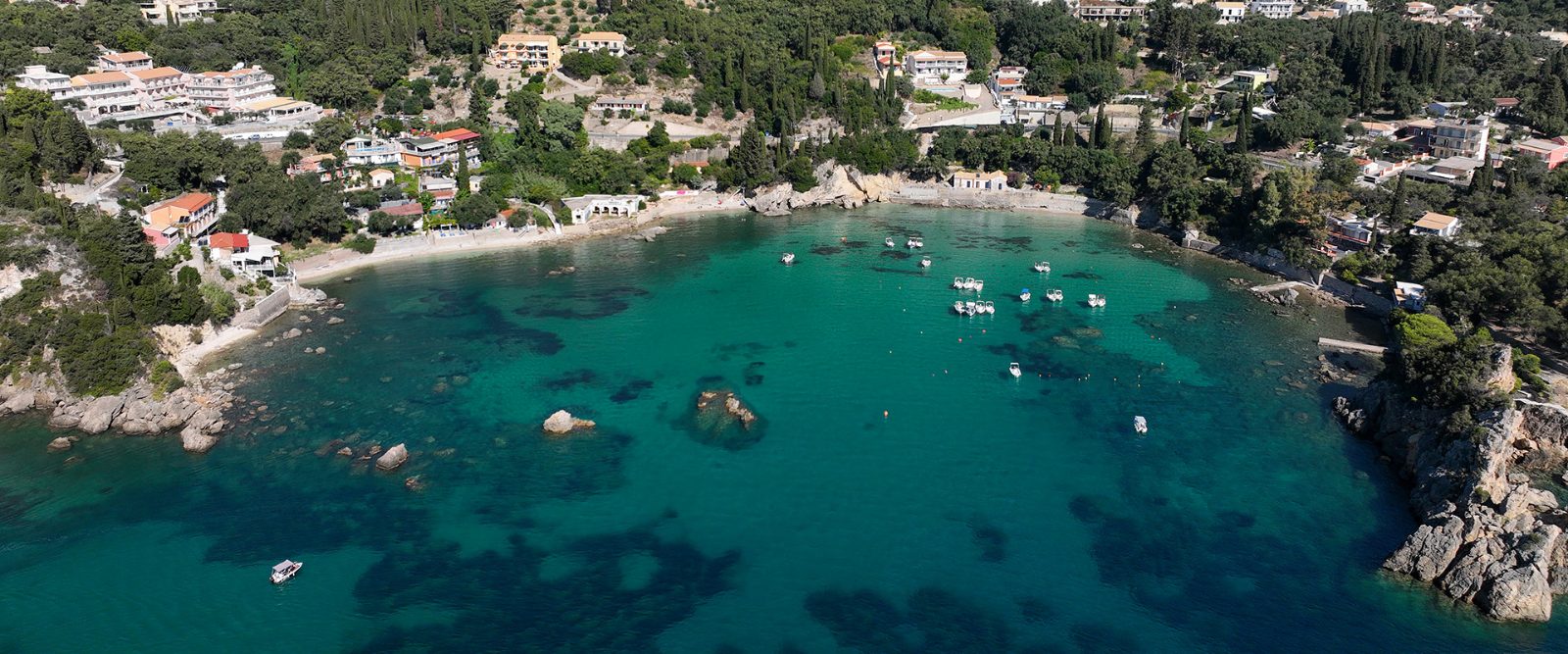
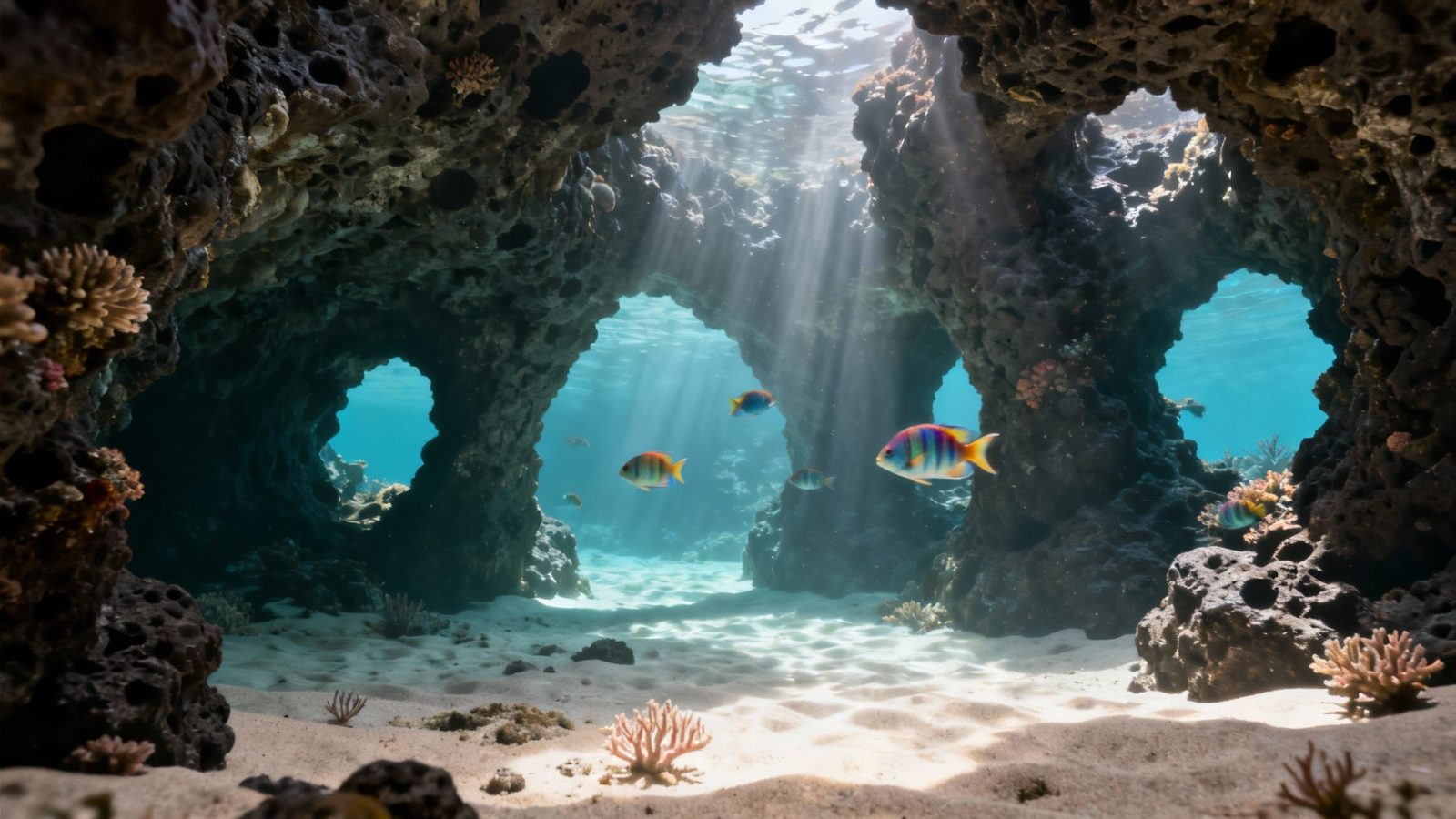
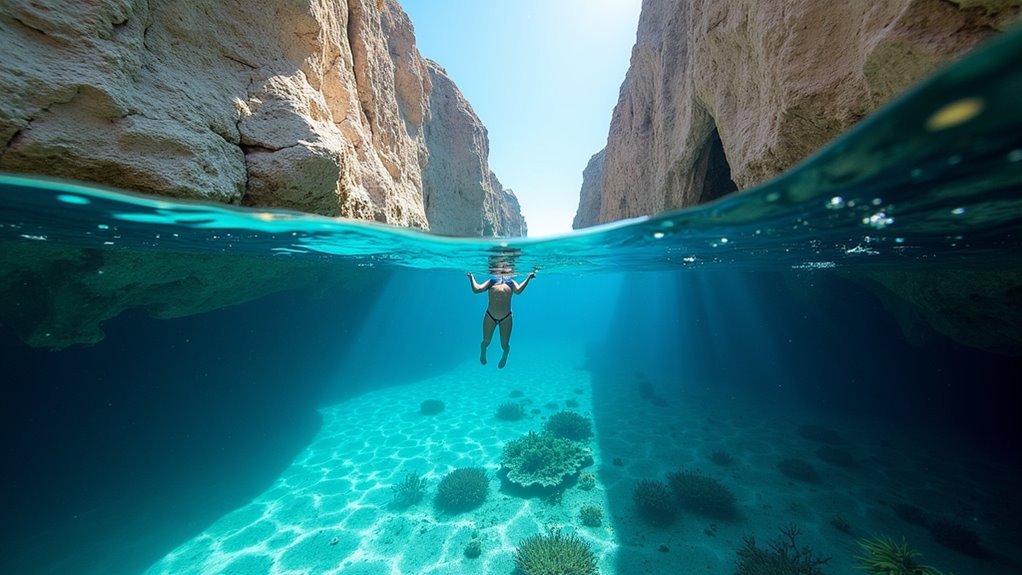
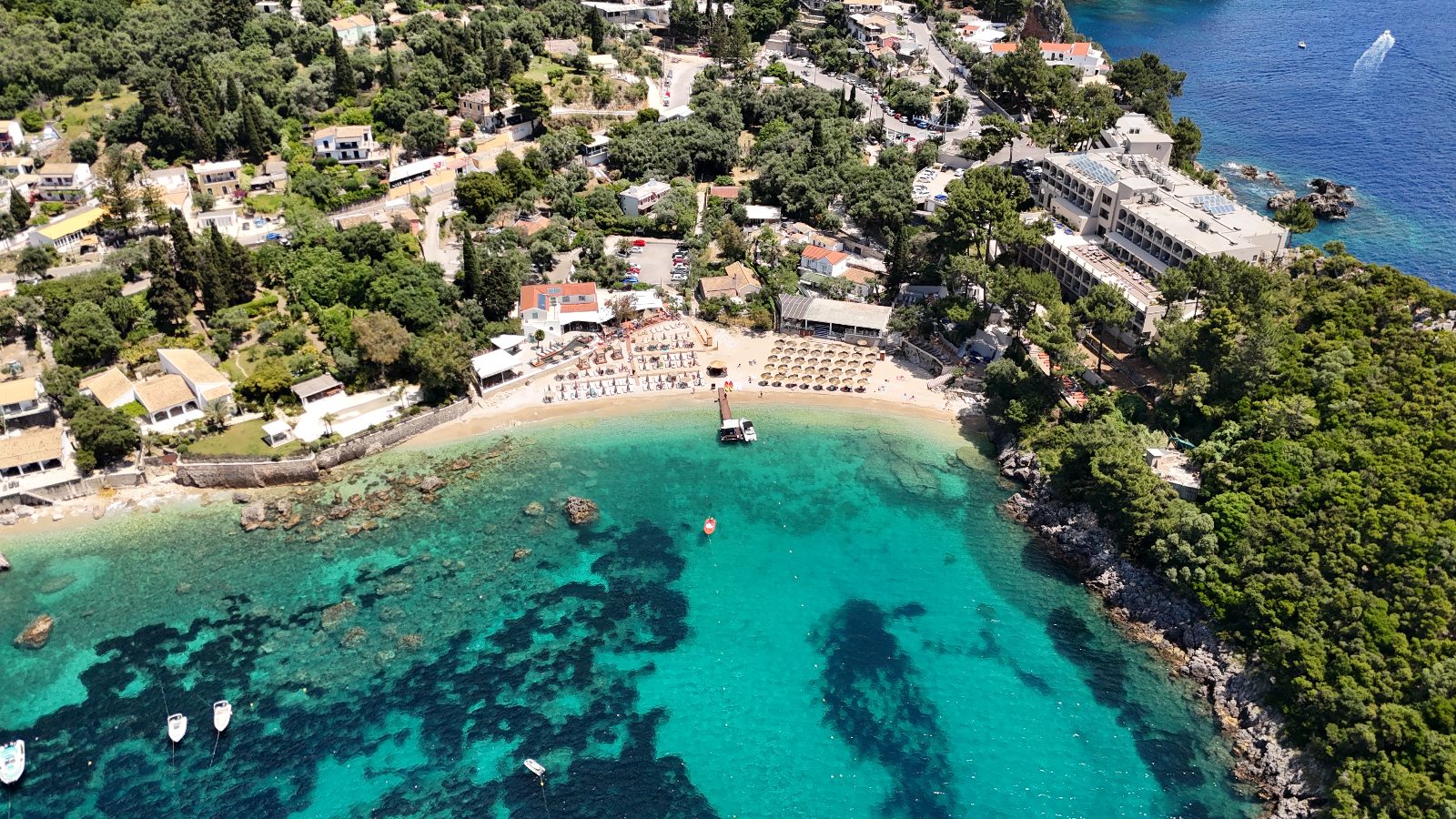
Paleokastritsa sits on a peninsula where vertical limestone cliffs meet deep water channels carved by centuries of wave action. The result is a series of steep-walled coves with rocky shorelines and minimal sand runoff, conditions that support unusually clear water for the Mediterranean. Underwater, the limestone continues as terraced reefs and swim-through arches, colonized by sponges, octopus, and seasonal schools of damselfish and wrasse. Snorkeling here is not about coral gardens or tropical abundance but about geology: submerged caves, boulder fields, and light shafts that change character with the sun's angle. The bay's six coves vary in accessibility and exposure. Agios Spyridon, the northernmost beach, offers the calmest entry and a gradual slope to depths of five meters, where rock formations create natural swim lanes. Alipa cove, smaller and rockier, requires careful footing but rewards snorkelers with deeper water close to shore and frequent sightings of moray eels in crevices. Agios Nikolaos beach, dominated by the monastery on its southern cliff, faces open water and can develop afternoon chop when the northwest wind picks up. Each cove has a different current pattern depending on tidal exchange and boat wake, making early morning the most predictable window. Snorkeling Corfu Paleokastritsa requires no permit or reservation. Entry is from the beach; there are no designated snorkel trails or buoyed routes. Boat traffic increases after 11:00 as tour operators run trips to the Blue Eye cave and surrounding grottos, creating surface chop and reducing underwater visibility. Most visitors rent gear from beachside vendors or bring their own. The rocky shore makes reef-safe footwear necessary for entry and exit. Water clarity peaks in May and June before summer algae blooms, though September offers warm water with reduced crowds. Depths drop quickly beyond the shore platforms, so snorkelers should stay within their comfort range and monitor conditions as wind and boat activity shift through the day. The underwater landscape here is shaped by dissolution rather than deposition. Freshwater springs seep through the limestone, creating pockets of cooler, slightly brackish water that shimmer in the sunlight and attract fish. These springs also flush sediment, contributing to the bay's reputation for visibility. Paleokastritsa's appeal is its combination of free access, varied underwater terrain, and the logistical simplicity of shore-based snorkeling in a destination known more for boat tours than independent exploration.

“Paleokastritsa's underwater terrain is carved by dissolution, not deposition, creating swim-through arches and light shafts that shift with the sun's angle.”
Timing

The Best Time for Snorkeling Corfu Paleokastritsa

The best arrival window for snorkeling in Paleokastritsa is 08:00–11:00. Arriving during these hours helps you avoid mid-day crowds and boat traffic, ensuring calmer water conditions and better visibility.

June to August

High intensity with frequent boats

Warm water temperatures reaching 25°C

Early morning visits are essential to escape peak boat congestion and maintain water clarity.

May and September

Moderate crowds

Pleasant water temperatures around 20-22°C

These months offer a balance of warm sun and reduced tourist numbers.

Weekday mornings

Low crowd volume

—

Choosing a weekday provides the most tranquil experience for observing marine life in the coves.

Verdict: The concrete best slot for snorkeling is between 08:00–11:00 on a weekday during the months of May or September.

Prices

Entrance Fees and Costs for Snorkeling Corfu Paleokastritsa

Snorkeling in Paleokastritsa takes place at public beaches where no admission fees are required. Visitors do not need to pay for entry to access the water.

Public Beach Access No entry fee for any visitor
0 EUR
Snorkeling Gear Rental Optional cost if gear is not provided
Varies
Entry to all beaches in Paleokastritsa is free for everyone at all times.

Verdict: The typical adult pays 0 EUR for beach access, though costs may arise if renting snorkeling equipment locally.

Opening hours

Opening Hours for Snorkeling Corfu Paleokastritsa Access

Public beach access in Paleokastritsa is available at all hours throughout the week. Visitors are free to access the coastline for snorkeling activities regardless of the day.

Monday
00:00–23:59
Public access
Tuesday
00:00–23:59
Public access
Wednesday
00:00–23:59
Public access
Thursday
00:00–23:59
Public access
Friday
00:00–23:59
Public access
Saturday
00:00–23:59
Public access
Sunday
00:00–23:59
Public access
As these are public beaches, there is no formal last-entry time or restricted access point.
Directions

Getting to Snorkeling Corfu Paleokastritsa Locations

Paleokastritsa is located on the northwestern coast of Corfu, approximately 23 kilometers from Corfu Town. The most efficient way to access the various snorkeling coves is by car or bus, followed by short walks to reach the water.

Bus 50 min —

Green Bus (KTEL) from Corfu Town to Paleokastritsa

Car 35 min —

National Road EO25 from Corfu Town

Boat 10–20 min —

Local water taxi from main harbor to secluded coves

Follow the main road toward the Paleokastritsa harbor or Agios Spyridon beach; parking fills quickly, so target the 08:00–11:00 arrival window to secure a space near the access points.

What to see

Recommended Coves for Snorkeling Corfu Paleokastritsa

Paleokastritsa offers a diverse underwater landscape characterized by rocky coves, clear visibility, and limestone formations. These spots provide habitats for various Mediterranean marine life, including damselfish, saddled seabream, and octopus.

La Grotta

La Grotta

This iconic cove features deep, cool water surrounded by high cliffs and submerged boulders. The terrain drops off quickly, making it suitable for observing schools of fish near the rock faces.

Swim toward the outer rocks for clearer water and deeper visibility.
Agia Triada

Agia Triada

This bay is known for its shallow, sandy bottom which transitions into rocky areas on both sides. It is often frequented by smaller fish species and is protected from strong currents.

Explore the edges where sand meets rock to spot hiding octopuses.

Platakia Beach

Platakia Beach

A quieter location with pebbled shores and numerous rock clusters extending into the sea. The water remains calm, allowing for closer inspection of sea grass and small rock pools.

Move slowly along the shoreline to observe bottom-dwelling marine life.

Alipa Port

Alipa Port

Situated near the harbor, this area provides interesting rock formations that attract a variety of marine fauna. The surrounding structures create sheltered pockets where fish congregate.

Observe the rock crevices near the pier for smaller Mediterranean species.

Checklist

Snorkeling Corfu Paleokastritsa Preparation Checklist

Paleokastritsa's rocky shores and variable conditions require specific gear and timing awareness.

Book

Check availability

Frequently asked

Frequently asked questions about snorkeling corfu paleokastritsa

Everything you need to know about snorkeling corfu paleokastritsa

Is snorkeling corfu paleokastritsa accessible to the public?

Yes, the beaches are open to the public, allowing visitors to enjoy the Mediterranean marine life freely. You can access these shorelines any day of the week as they remain open throughout the season.

What is the best time for snorkeling corfu paleokastritsa?

To ensure better water clarity and avoid heavy boat traffic, the best arrival window is 08:00–11:00. Visiting during these early hours provides a calm experience for those interested in snorkeling corfu paleokastritsa.

Are there entrance fees for snorkeling corfu paleokastritsa?

There is no cost to access the beaches for your aquatic activities. The entry fee is 0 EUR, as all snorkeling locations in this area are part of the public coastline.

What equipment do I need for paleokastritsa underwater exploration?

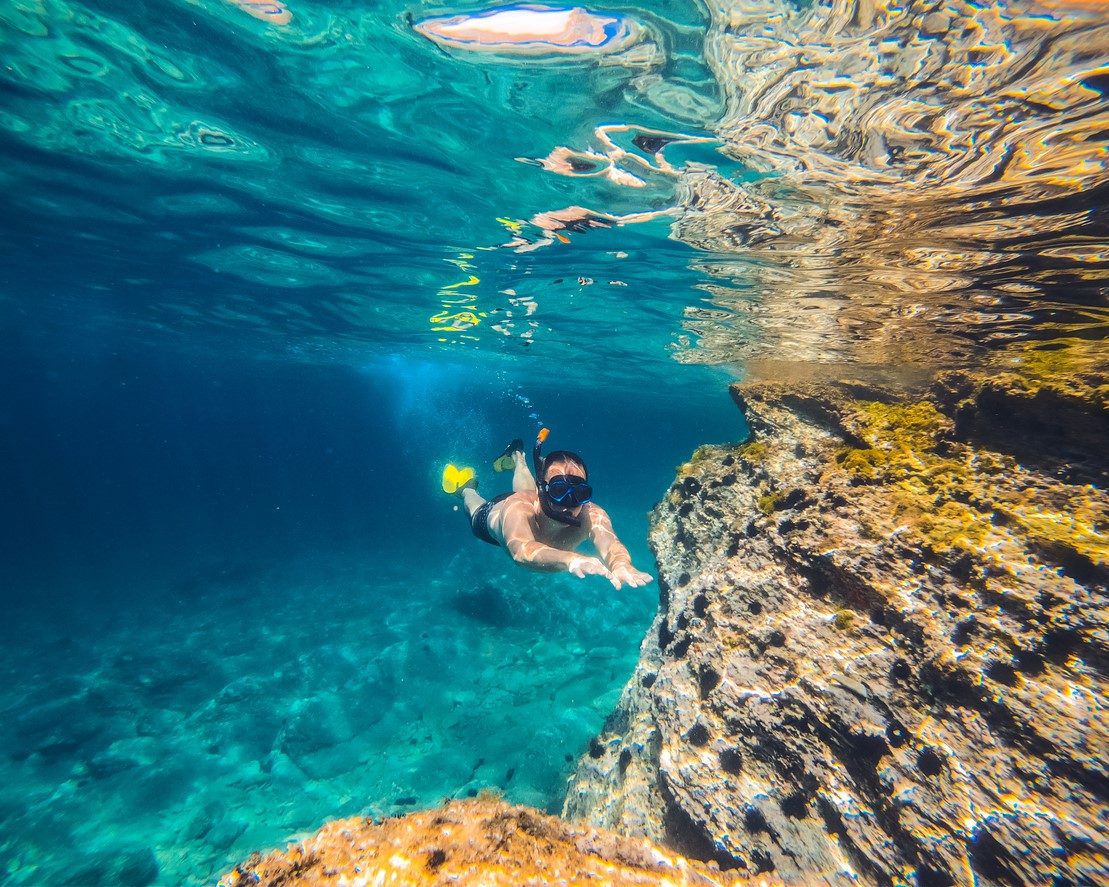
While there are no specific gear requirements, bringing a mask, snorkel, and fins is recommended for observing the rocky seabed and diverse fish populations. Local rental shops near the shore provide equipment if you do not have your own.

Is snorkeling corfu paleokastritsa suitable for families with children?

The calm, clear waters make it an ideal environment for families looking to introduce children to marine biology. Shallow entry points at several beaches provide a safe setting for young swimmers to observe local sea life.

How can I avoid crowds while visiting these coastal spots?

Planning your visit during the morning hours is the most effective way to minimize exposure to mid-day crowds. By arriving early, you secure a peaceful environment to enjoy the natural beauty and rocky coves of this coastline.

Keep reading

More guides & pages