Snorkeling In Corfu
Visitor Guide

Is There Good Snorkeling in Corfu

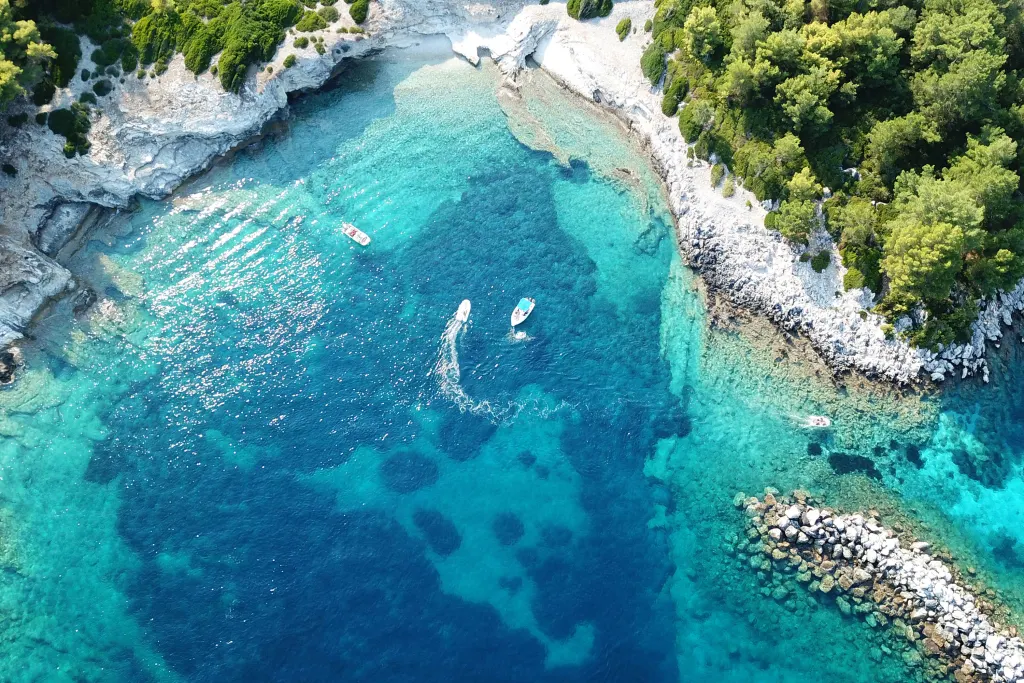
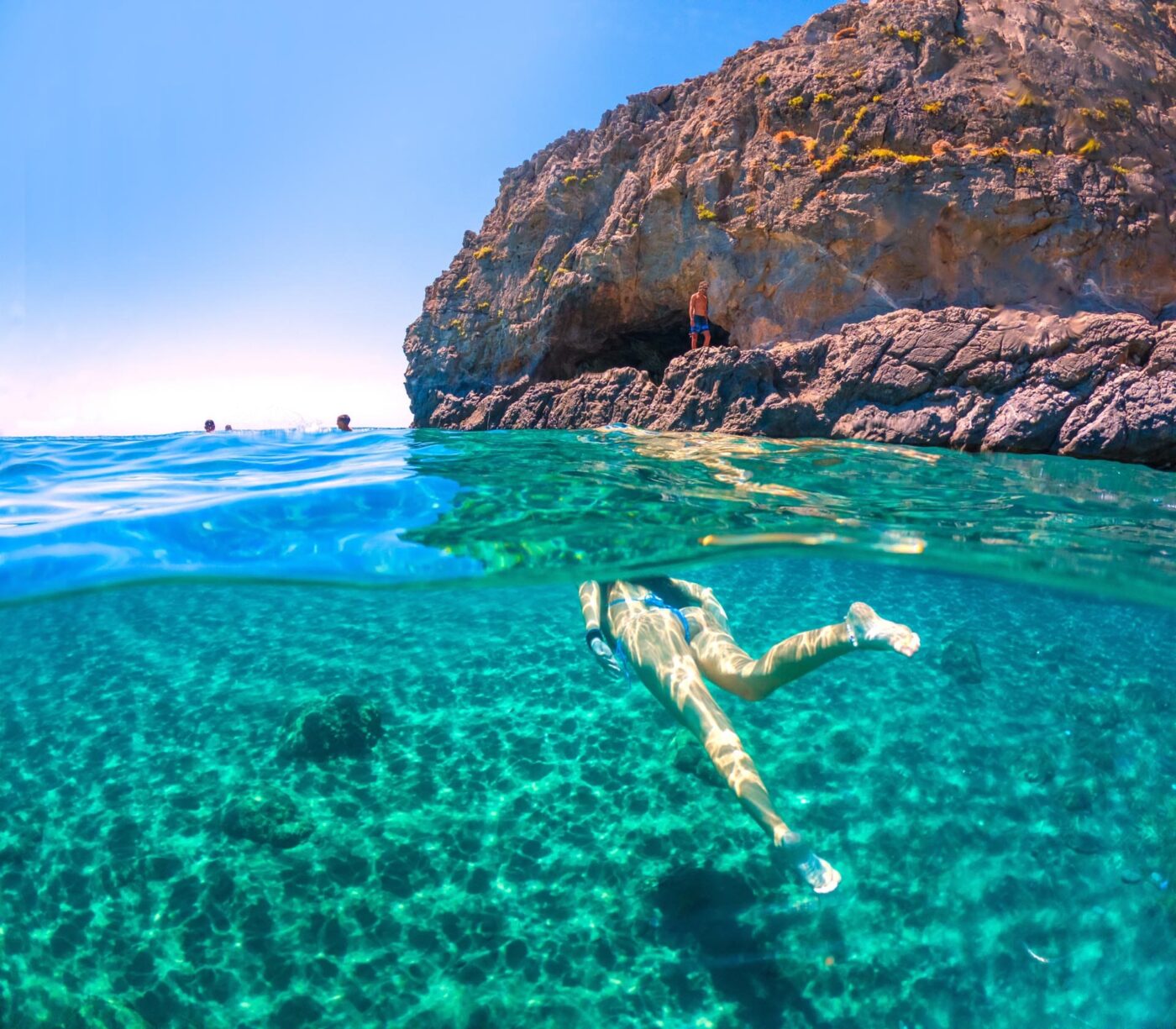
Corfu's coastline delivers some of the Mediterranean's clearest water, with visibility often exceeding 20 meters in sheltered bays. The island's mix of rocky shorelines, sea caves, and sandy coves creates diverse underwater habitats accessible directly from the beach. This guide covers conditions, marine life, and what to expect beneath the surface.

7 min read Updated 2026-09-30 Fact-checked
Is There Good Snorkeling in Corfu

Quick answer

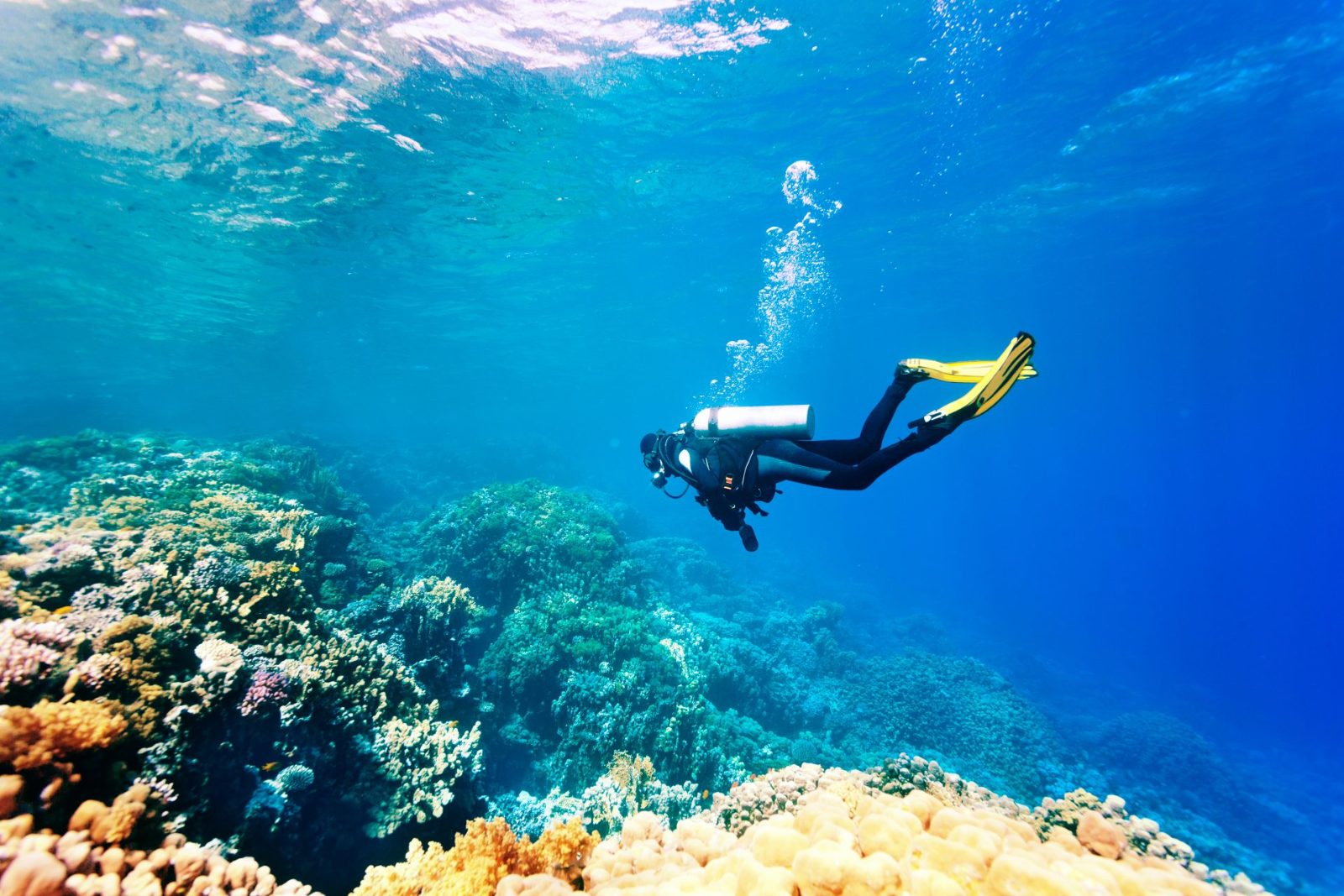
Yes, Corfu offers excellent snorkeling conditions throughout most of the year. The Ionian Sea's calm, transparent waters provide visibility of 15 to 30 meters, especially in protected bays along the west and northeast coasts. Rocky reefs harbor octopus, damselfish, sea bream, and occasional loggerhead turtles, while multiple sites require no boat access—just mask, fins, and a short swim from shore.

Corfu sits at the northern edge of the Ionian island chain, where cooler currents and limited tidal range keep sediment low and plankton blooms rare. The result is water clarity that rivals tropical destinations, particularly between May and October when sea temperatures climb to 22–26°C and winds drop to near-calm. Underwater visibility regularly reaches 25 meters on mornings following settled weather, and the island's limestone geology creates drop-offs, overhangs, and fissures that concentrate marine life within snorkeling depth. The question of whether is there good snorkeling in Corfu hinges not just on water quality but on accessibility and biodiversity. Unlike many Mediterranean coasts dominated by sandy plains, Corfu's shoreline alternates between pebble beaches and submerged rock gardens where sponges, anemones, and small fish thrive. Damselfish guard their territories in the shallows, while larger species—grouper, bream, and wrasse—patrol the deeper edges of the reefs. Loggerhead sea turtles patrol offshore feeding grounds and occasionally drift into bays, especially near Agios Gordios and Glyfada. The island's designation as part of the Natura 2000 network protects critical habitats, meaning fish populations remain stable and encounters with octopus, cuttlefish, and moray eels are routine rather than rare. Most snorkeling sites lie within protected embayments where wave action is minimal and entry points are marked by natural rock formations. The seabed transitions gradually from pebble to rock to sand, allowing snorkelers to adjust depth and explore multiple zones in a single session. Early morning outings between 8:00 and 11:00 deliver the best conditions—glassy surface water, strong directional light, and fewer swimmers. Public beaches charge no entrance fee, though some organized sites offer sunbed and umbrella rental. Seasonal differences matter: spring brings cooler water but peak clarity, while late summer warms the shallows and draws larger schools of juvenile fish. Autumn extends the season into October with stable conditions and reduced crowds, making it the preferred window for experienced snorkelers seeking solitude and longer sessions.

“Visibility regularly reaches 25 meters on mornings following settled weather, and the island's limestone geology creates drop-offs and fissures that concentrate marine life within snorkeling depth.”
What to see

Which Locations Offer Good Snorkeling in Corfu

Corfu features a diverse coastline where rocky coves and limestone formations create habitats suitable for underwater observation. These areas provide the necessary shelter and clarity for viewing Mediterranean marine life.

Paleokastritsa

Paleokastritsa

This area consists of a series of rocky bays with deep, clear water and abundant fish populations. The topography includes underwater caves and cliffs that attract diverse species.

Swim near the outer rocky points for better visibility.
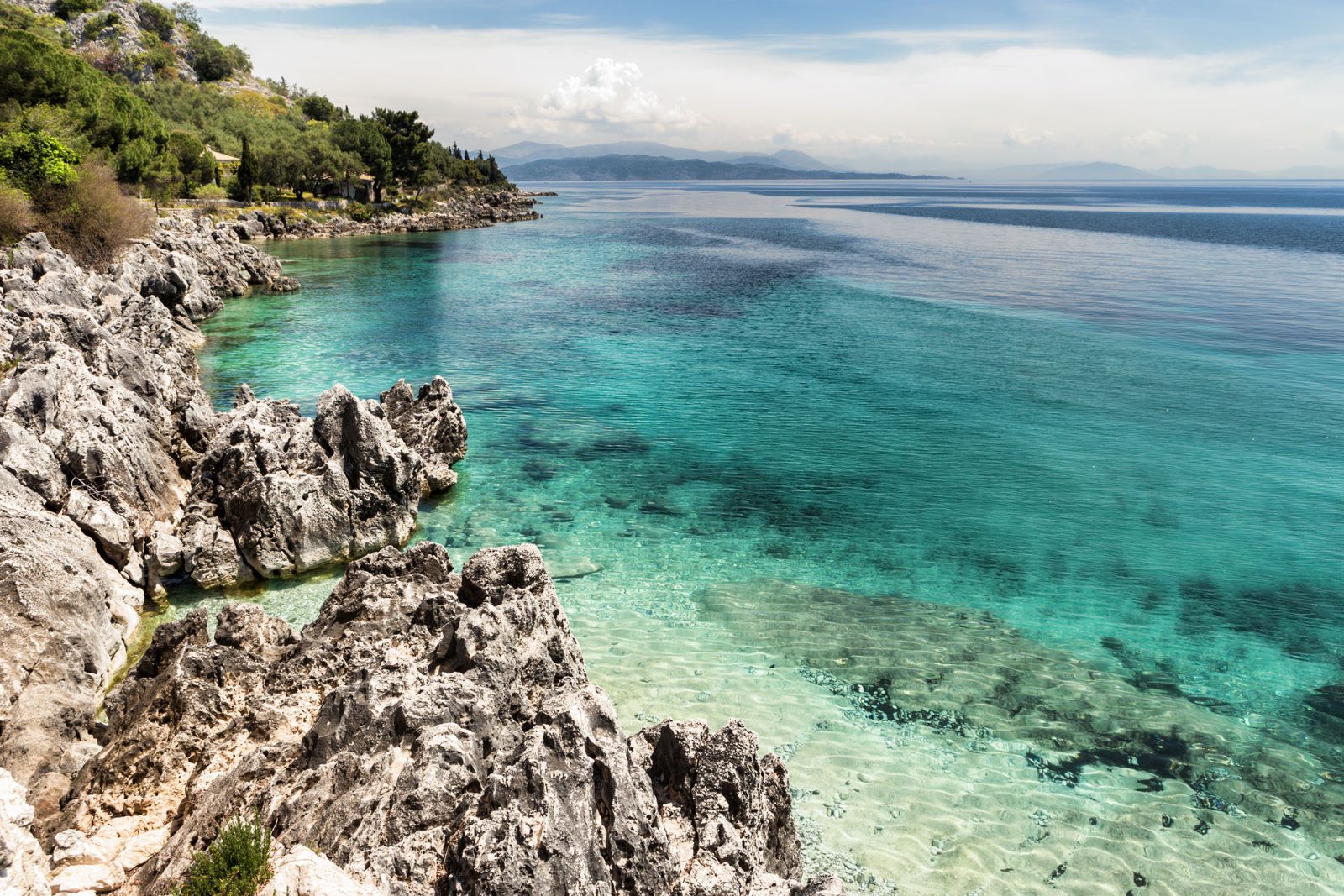
Nissaki

Nissaki

A smaller pebble beach surrounded by large rock formations that extend into the Ionian Sea. The seabed drops off quickly, offering varied depths for snorkeling.

Enter the water from the edges of the rocky piers.

Agios Spyridon

Agios Spyridon

Located in the north, this area features shallow, rocky shelves along the headland. It is characterized by calm conditions and accessible marine life close to the shore.

Explore the submerged rock formations on the left side.

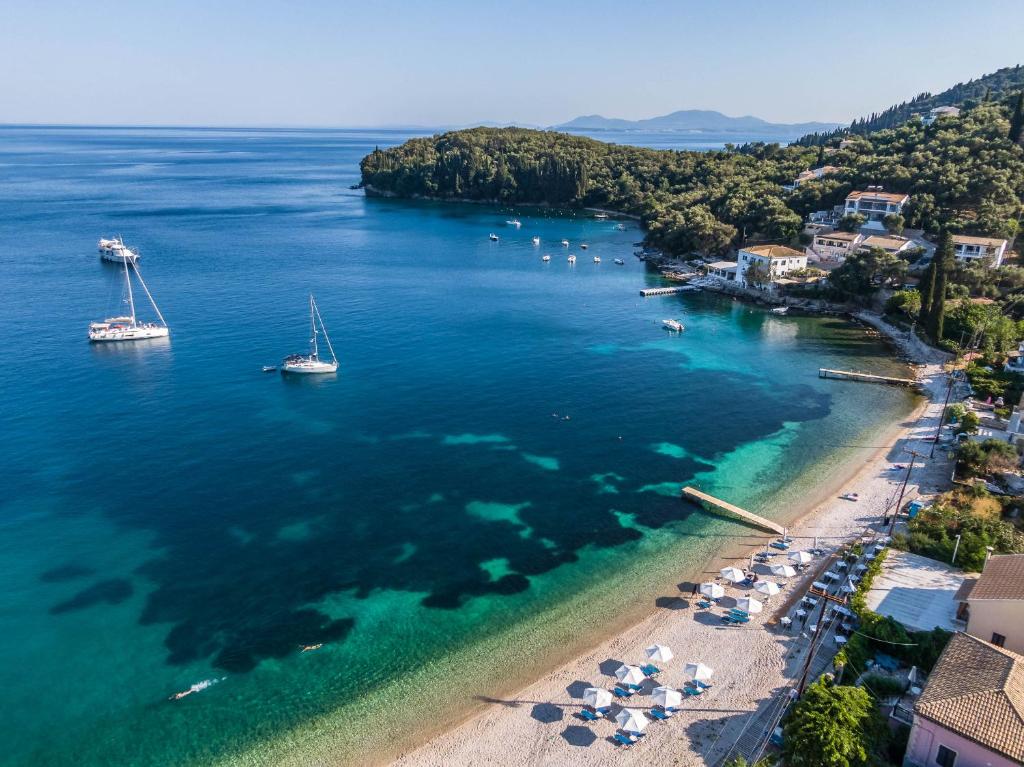
Kalami Bay

Kalami Bay

This bay is framed by white cliffs and maintains clear water due to the lack of sandy sediment. The perimeter of the bay holds rocky outcrops home to small schools of fish.

Stay near the cliffs for the most frequent sightings.

Prices

Is There Good Snorkeling in Corfu Without Entrance Fees

Snorkeling in Corfu is an accessible activity because all public beaches are open to the public without charge. Visitors do not pay admission fees to access the coastline for swimming or snorkeling.

Public Beach Access No entry fee required
0 EUR
Equipment Rental Costs depend on third-party providers
Varies
Entry to all public beaches in Corfu is free of charge for everyone at all times.

Verdict: A typical visitor pays 0 EUR for beach access, though costs may arise if choosing to rent snorkeling gear from local shops.

Directions

How to Reach Sites for Good Snorkeling in Corfu

Corfu snorkeling sites are spread across the island, with the most diverse marine life located in secluded coves accessible primarily by private transport. Renting a car or arranging a boat hire provides the flexibility needed to reach these areas.

Car 45–60 min —

Follow the EO25 or regional roads toward Paleokastritsa or Kassiopi

Boat 30–90 min —

Depart from Corfu Town or Paleokastritsa ports for coastal access

Bus 60–90 min —

KTEL Corfu local routes to major beach hubs like Sidari or Barbati

To ensure optimal water clarity and avoid crowds, aim for the best arrival window of 08:00–11:00. Private vehicle access is recommended as public transport does not reach the more remote snorkeling inlets.

Checklist

Preparing for Good Snorkeling in Corfu

Corfu's rocky coastlines and varied marine habitats reward visitors who bring the right gear and prepare properly.

Book

Check availability

Frequently asked

Common Questions About Snorkeling in Corfu

Everything you need to know about is there good snorkeling in corfu

Is there good snorkeling in corfu?

Yes, there is good snorkeling in corfu thanks to the island's rocky coastline and clear Mediterranean waters. You can find vibrant marine ecosystems tucked away in sheltered bays around the island.

What are the best spots for Corfu underwater exploration?

Travelers often find that Paleokastritsa and the rocky coves near Kassiopi offer the clearest visibility for observing local fish species. These areas provide natural rock formations that serve as excellent habitats for diverse marine life.

When is the best time to visit for snorkeling in Corfu?

To ensure the best visibility and avoid heavy crowds, aim for the best arrival window of 08:00–11:00. This morning period offers calmer surface conditions before the midday sun peaks.

Is there good snorkeling in corfu for beginners?

Yes, is there good snorkeling in corfu even if you are just starting out, provided you stick to calm, shallow bays. We recommend choosing spots with minimal current and easy entry from the shore.

What should I bring for a Corfu sea life tour?

When planning your trip, pack high-quality equipment, such as a well-fitting mask and snorkel, to improve your experience. While some local operators offer guided trips, having your own gear allows you to explore at your own pace.

Is there good snorkeling in corfu for families?

Families often find that is there good snorkeling in corfu is a rewarding experience when visiting protected, sandy-bottomed beaches. These locations typically feature gentle slopes into the water, making them safer for younger swimmers.

Do I need to pay for access to snorkeling sites?

No, you do not pay for access, as there is an entry fee of 0 EUR for all public beaches on the island. You are free to explore these locations throughout the week, as they remain open from 00:00–23:59.

Keep reading

More guides & pages