Snorkeling In Corfu
Location Guide

Best Snorkeling in Corfu

Corfu's coastline offers dozens of snorkeling sites, but visibility, marine diversity, and ease of access vary dramatically between them. This guide identifies the locations where you'll find the clearest water, the richest underwater topography, and the most reliable conditions for observing Mediterranean sea life.

8 min read Updated 2026-09-30 Fact-checked
Best Snorkeling in Corfu

Quick answer

The best snorkeling in Corfu is found at Paleokastritsa, where six interconnected coves provide access to underwater caves, rock formations, and depths between 2 and 8 meters with consistent visibility above 15 meters. Paradise Beach on the island's northeastern coast offers shallow reefs teeming with damselfish and sea urchins, while Agios Gordios on the west coast delivers dramatic drop-offs and frequent sightings of octopus and moray eels in rocky crevices.

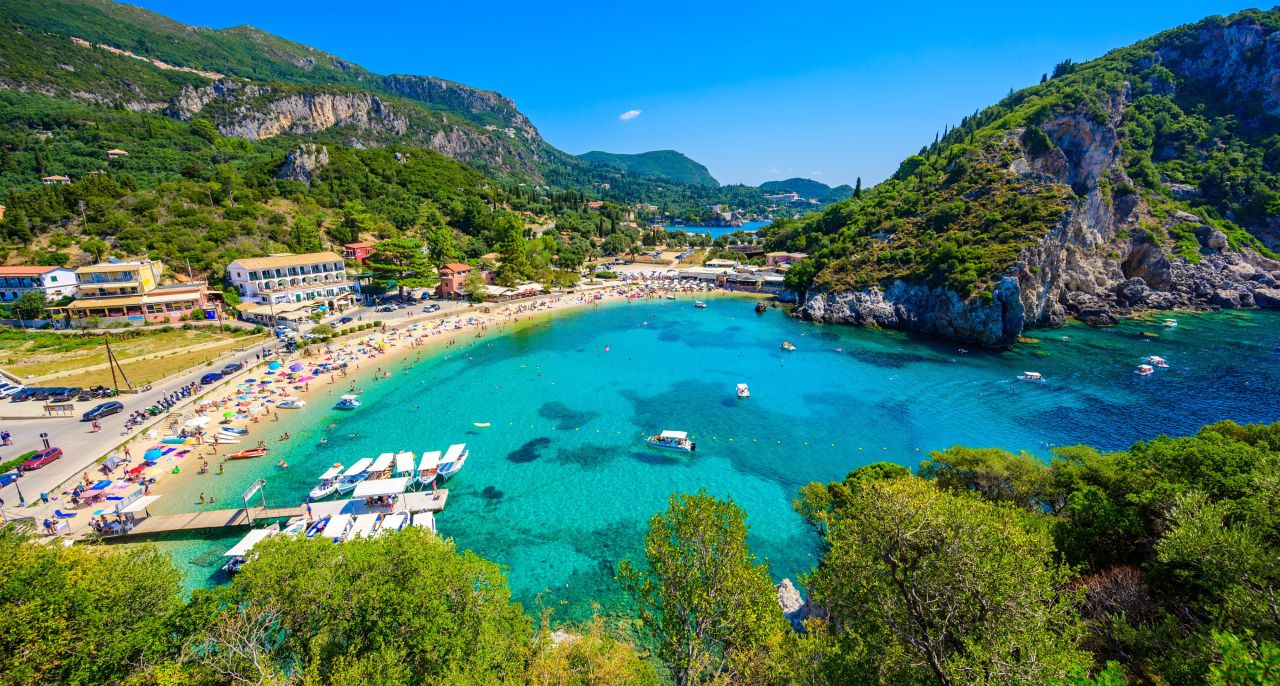
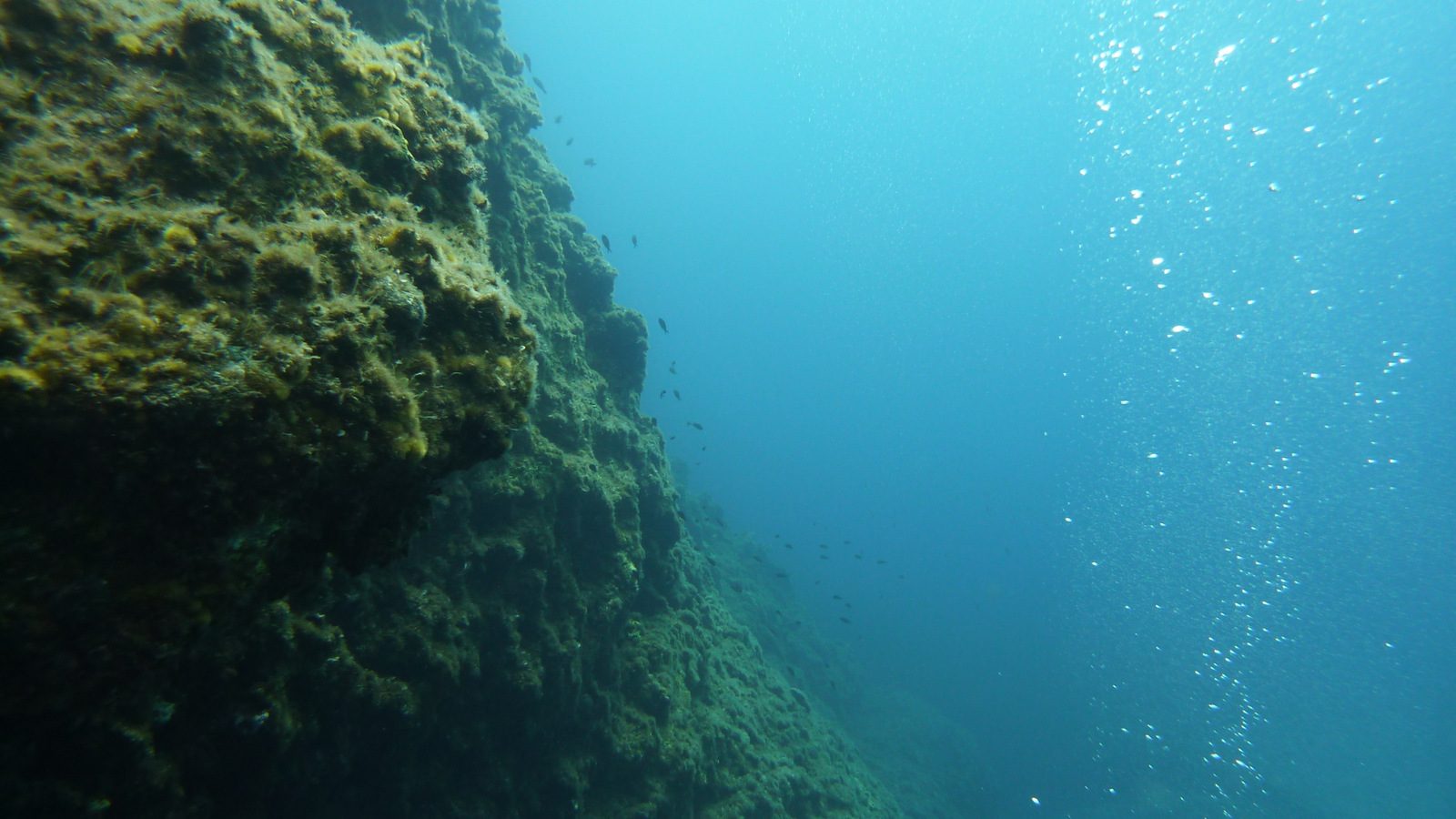
Corfu's coastline contains more than 200 kilometers of accessible shoreline, yet only a fraction offers the combination of clear water, protective topography, and marine biodiversity that makes snorkeling worthwhile. The island's west coast faces the open Ionian Sea, producing rougher conditions but also dramatic underwater cliffs and cave systems. The east and south coasts benefit from calmer waters sheltered by the Greek mainland, creating ideal conditions for beginners and families. Paleokastritsa remains the island's most celebrated snorkeling destination for structural reasons: the convergence of six coves creates natural protection from wind and current, while limestone erosion has carved a network of shallow caves and swim-throughs accessible without diving certification. The main bay's northern edge features rock gardens where damselfish, wrasse, and rainbow wrasse gather in schools. Mornings between April and October deliver the calmest surface conditions, with afternoon thermal winds arriving after 14:00. The site is accessible year-round, though water temperature drops to 15°C in February and March. Paradise Beach, a 400-meter crescent on Corfu's northeast coast near Kassiopi, offers a contrasting environment: shallow volcanic rock shelves extending 50 meters offshore create nursery habitat for juvenile fish and invertebrates. Visibility here exceeds 20 meters on calm days, and the gradual depth gradient makes it suitable for children and novice snorkelers. Sea urchins colonize the rocks in dense clusters—water shoes are non-negotiable. The beach operates commercial sunbed rentals, but the productive snorkeling zone lies beyond the marked swimming area near the southern headland. Agios Gordios on the west coast presents advanced conditions: strong afternoon winds and occasional swells demand confident swimming ability, but the reward is a steep underwater wall system where the seabed drops from 3 to 12 meters within a few fin kicks. Octopus hide in crevices along this wall, and larger species including grouper and gilt-head bream patrol the deeper sections. Local operators offer guided snorkeling here, though the site remains free to access independently. Early morning sessions before the wind builds provide the most manageable conditions. Porto Timoni, accessible only by a 20-minute hiking trail from Afionas village, consists of a double bay formation where a narrow sandbar separates two bodies of water. The southern bay's rocky eastern flank hosts posidonia seagrass meadows, critical habitat for juvenile fish and occasionally visited by loggerhead sea turtles during summer months. This site sees minimal boat traffic due to access constraints, preserving water clarity that routinely exceeds 25 meters. No facilities exist on-site; visitors carry all provisions in and out.

“Paleokastritsa's six interconnected coves create natural protection from wind and current, while limestone erosion has carved a network of shallow caves accessible without diving certification.”
Timing

The Best Time for Snorkeling in Corfu to Ensure Clear Waters

The best arrival window for snorkeling in Corfu is 08:00–11:00, which offers the calmest waters and fewer crowds. Early morning conditions provide the highest visibility for observing marine life before the peak midday sun.

June–August

High

28°C to 32°C; warm water.

High-traffic months require early arrival to secure quiet spots.

September–October

Moderate

24°C to 27°C; cooling water.

Water remains warm enough for snorkeling with fewer crowds.

Weekday mornings

Minimal

—

This is the optimal time to experience the clearest visibility.

Verdict: The best time to snorkel is during weekday mornings, specifically within the 08:00–11:00 arrival window, throughout June or September.

What to see

Top Locations for the Best Snorkeling in Corfu

Corfu offers diverse underwater topography ranging from sheltered rocky coves to limestone caves. These locations provide clear visibility for observing Mediterranean marine life in its natural habitat.

Paleokastritsa

Paleokastritsa

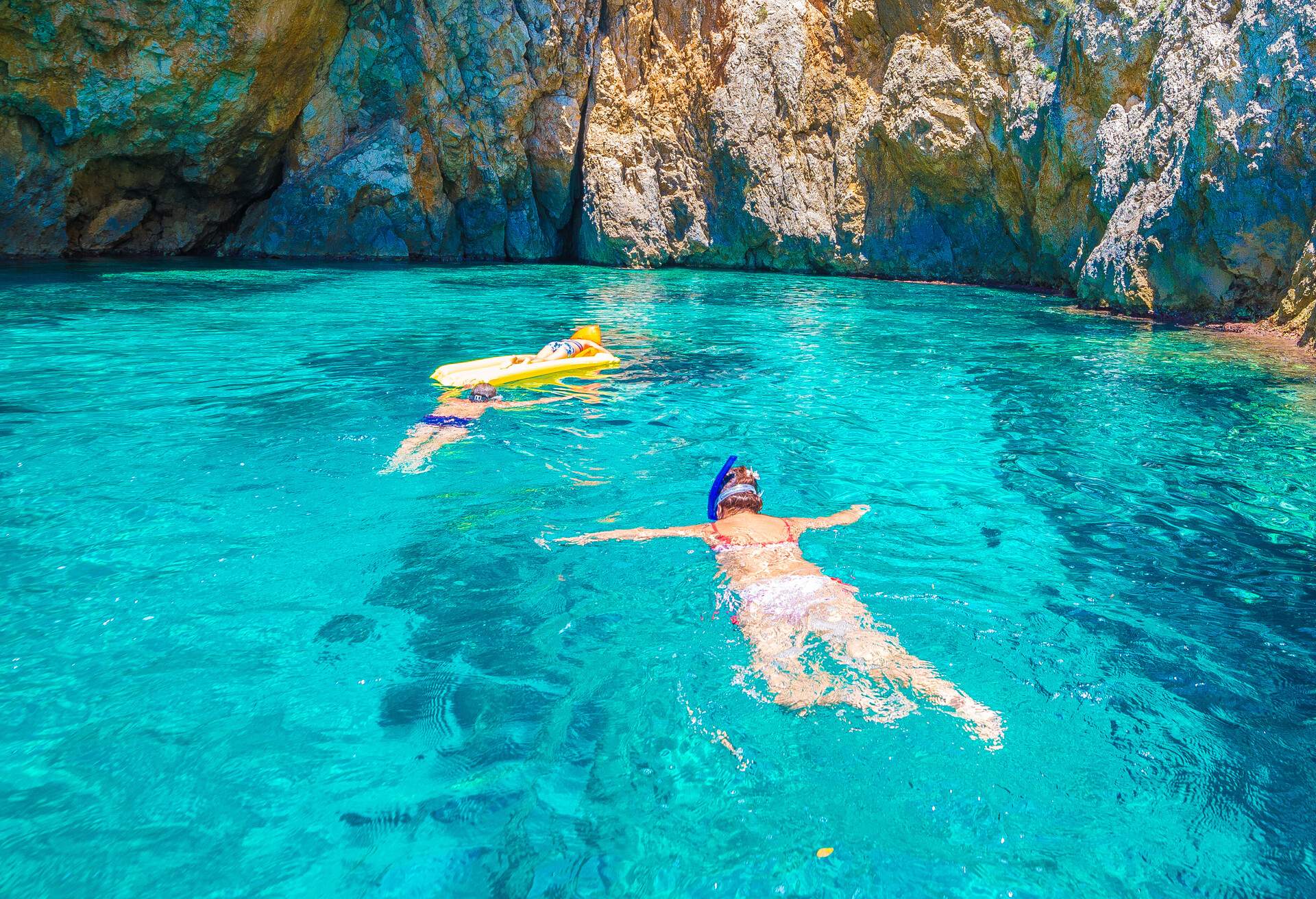
This area features a series of rocky bays with limestone cliffs that extend deep underwater, creating complex shelves and crevices. The clarity of the water allows for detailed observation of small reef fish and octopuses.

Swim toward the outer rocks to find deeper, clearer channels.
Nissaki

Nissaki

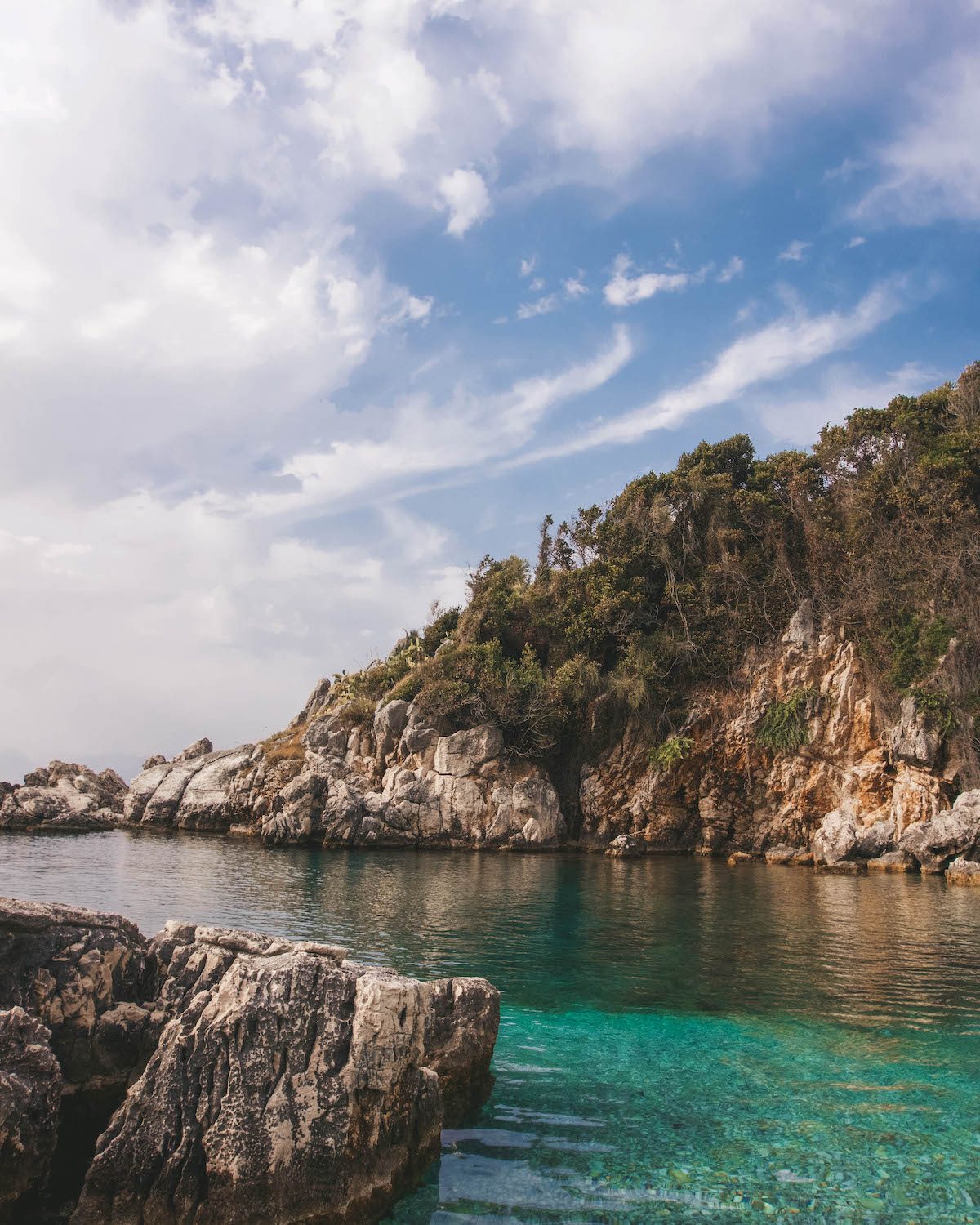
Nissaki is known for its pebble beaches and rocky seabed that drops off quickly into deeper water. The submerged boulders provide protection for various species of wrasse and sea bream.

Explore the rock formations on the far left side.

Agios Spiridon

Agios Spiridon

Located in the north, this area provides shallow, sandy patches interspersed with seagrass meadows. These seagrass beds are important habitats for juvenile fish and occasionally seahorses.

Look for movement within the seagrass patches in shallow water.

Kassiopi

Kassiopi

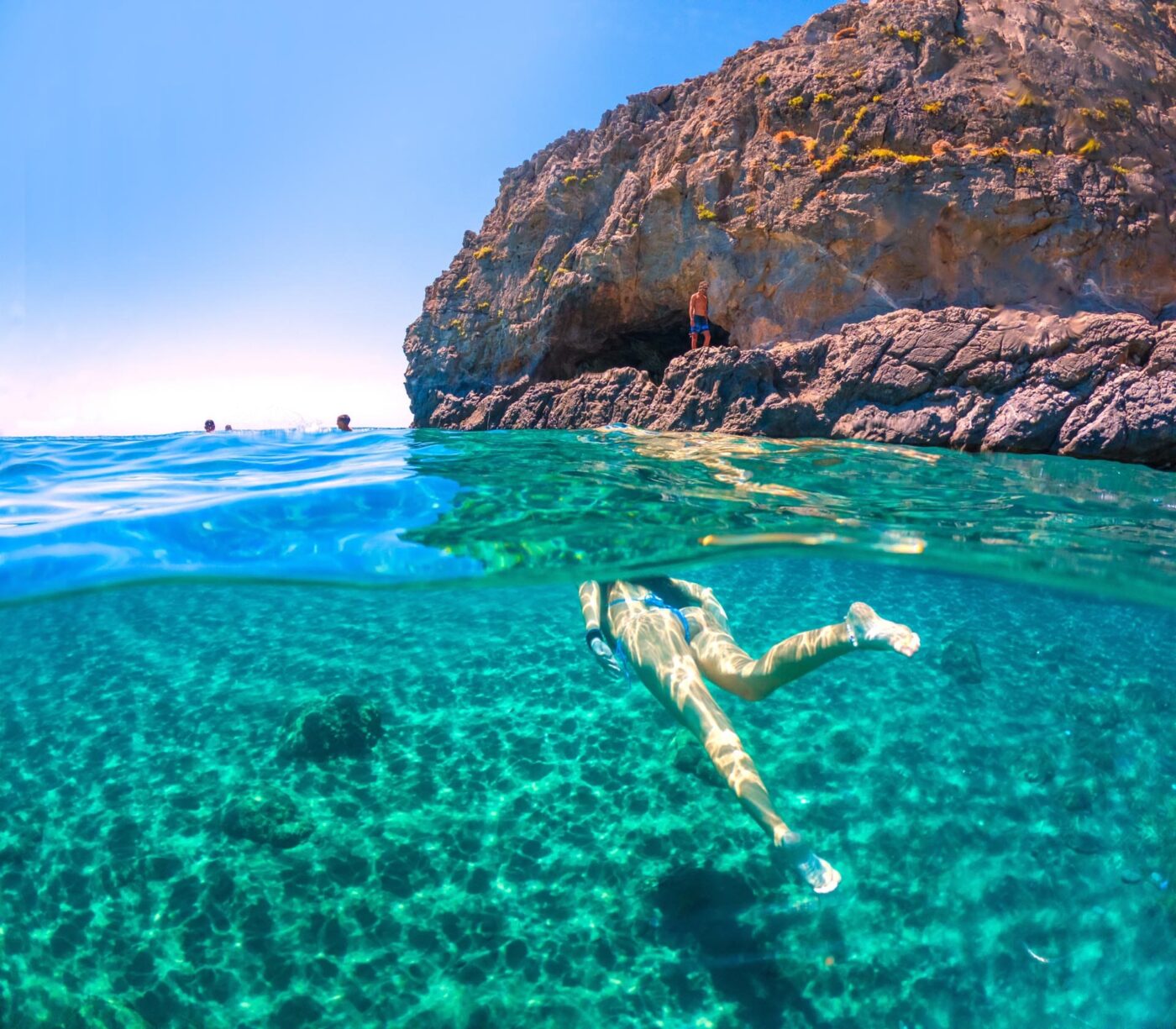
The coastline near Kassiopi consists of flat, white rock platforms that slide gently into the Ionian Sea. Underwater, the terrain is characterized by large, smooth stone slabs and narrow swim-throughs.

Follow the rock ledges extending from the headland.

Directions

Getting to the Best Snorkeling in Corfu Locations

The primary hub for snorkeling in Corfu is located at Paleokastritsa, Corfu 490 83, Greece. The area is most easily accessed by road from Corfu Town.

Bus 50 min —

Green Bus Line A9 from Corfu Town to Paleokastritsa

Car 30 min —

E.O. Kerkyras-Paleokastritsas road

Taxi 25 min —

Direct route from Corfu Town or Airport

For the most direct access to the water, aim to arrive between 08:00–11:00 to secure parking near the main beaches before the mid-morning influx.

Prices

Is There a Fee for the Best Snorkeling in Corfu?

Snorkeling in Corfu takes place at public beaches, which remain accessible to the public without entry charges. There are no commercial admission fees for utilizing these coastal areas.

Public Beach Access No entry fees apply at public beaches.
0 EUR
Snorkeling Activity is free for all visitors.
0 EUR
Access is free for everyone at all public beaches regardless of age or residency.

Verdict: A typical adult pays 0 EUR for beach access, though costs may arise if choosing to rent equipment from private vendors.

Checklist

Essential Preparation for the Best Snorkeling in Corfu

Prepare your gear and plan your timing to make the most of Corfu's crystal-clear coastal waters.

Book

Check availability

Frequently asked

Frequently Asked Questions About Best Snorkeling in Corfu

Everything you need to know about best snorkeling in corfu

Where is the best snorkeling in corfu found?

The Paleokastritsa area is widely recognized for the best snorkeling in corfu due to its rocky coves and crystal-clear Mediterranean waters. Many enthusiasts also explore the secluded bays of the west coast, which offer diverse marine life and calm conditions. Engaging in an organized Corfu underwater tour provides access to hidden grottoes that are difficult to reach independently. These excursions often include professional instruction and safety gear to ensure a comfortable experience for all participants. You should plan your visit during the best arrival window of 08:00–11:00 to enjoy the calmest waters and avoid the midday crowds. Arriving early also ensures better visibility for spotting sea bream and octopus among the reefs. Visitors enjoy free access to public beaches, meaning there is an entrance fee of 0 EUR. While private boat tours involve costs, the natural coastline itself remains open to the public. Many coastal locations are safe for families, provided children are supervised and wear appropriate flotation devices. Shallow shore entries at popular beaches make snorkeling in Corfu accessible for beginners and younger swimmers. Pack high-quality masks, snorkels, and fins to ensure a proper fit for your session. Consider bringing biodegradable sunscreen to protect the delicate marine ecosystem and a waterproof camera to capture the diverse sea life.

Keep reading

More guides & pages